
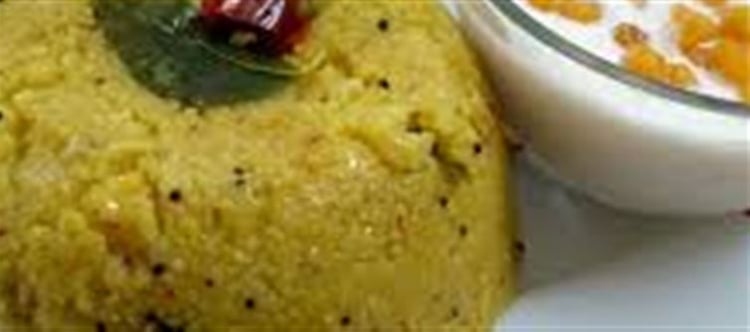


Puli Pongal is a flavorful South indian rice dish, particularly popular in tamil Nadu. The name “Puli” means tamarind in tamil, which gives the dish its characteristic tangy flavor. This dish is a delicious variation of tamarind rice, often prepared during festivals, special occasions, or as an everyday comfort meal.
Ingredients:
- 1 cup raw rice (sona masoori or sona ponni)
- 1/2 cup tamarind pulp (soaked and extracted)
- 1/2 teaspoon mustard seeds
- 1/2 teaspoon fenugreek seeds (methi)
- 2 dried red chilies
- 1 teaspoon chana dal
- 1 teaspoon urad dal
- 1/4 teaspoon asafoetida (hing)
- 10-12 curry leaves
- 2 tablespoons oil or ghee
- 1 teaspoon jaggery (optional, balances tamarind’s sourness)
- Salt to taste
- Fresh coriander leaves for garnish (optional)
- Roasted peanuts or cashews for garnish (optional)
Preparation Steps:
1. Cook the Rice
Rinse the rice thoroughly and cook it with 2 cups of water until soft but not mushy. Spread the cooked rice on a plate to cool slightly.
2. Prepare tamarind Pulp
Soak tamarind in warm water for 15-20 minutes, squeeze and extract the juice, discarding the pulp. You need about 1/2 cup of tamarind juice.
3. Cook tamarind Sauce
In a pan, heat oil or ghee. Add mustard seeds and let them splutter. Then add fenugreek seeds, dried red chilies, chana dal, urad dal, asafoetida, and curry leaves. Fry until golden and aromatic.
4. Add tamarind and Jaggery
Pour tamarind juice into the pan. Add jaggery and salt. Cook on medium heat until the mixture thickens and the raw tamarind smell disappears (about 8-10 minutes). Stir occasionally to avoid burning.
5. Mix Rice with tamarind Sauce
Add the cooked rice to the tamarind mixture. Mix gently but thoroughly, ensuring the rice is evenly coated with the tangy sauce.
6. Garnish and Serve
Garnish with roasted peanuts or cashews and fresh coriander leaves. Serve warm with papad or yogurt.
Tips for Perfect Puli Pongal:
- Use sour tamarind for authentic tanginess; avoid overly sweet tamarind.
- Adjust tamarind and jaggery balance according to your taste preference.
- Don’t overcook rice; slightly firm grains mix better without becoming mushy.
- Adding roasted nuts enhances texture and adds a nutty flavor.
- You can add chopped green chilies or red chili powder for extra heat.
Health Benefits:
- Rich in Antioxidants: tamarind is loaded with antioxidants and vitamins, which help fight inflammation.
- Good for Digestion: tamarind and curry leaves aid digestion and improve gut health.
- Energy Boost: Rice provides complex carbohydrates for sustained energy.
- Low in Fat: Using minimal oil or ghee keeps this dish light and healthy.
- Balanced Flavor: jaggery adds iron and minerals while balancing tamarind’s sourness naturally.
Conclusion:
Puli pongal is a tangy, flavorful dish that brings together the goodness of tamarind and rice with aromatic spices. It’s easy to make, nutritious, and perfect for those who enjoy a tangy twist to their meals.
Disclaimer:
The views and opinions expressed in this article are those of the author and do not necessarily reflect the official policy or position of any agency, organization, employer, or company. All information provided is for general informational purposes only. While every effort has been made to ensure accuracy, we make no representations or warranties of any kind, express or implied, about the completeness, reliability, or suitability of the information contained herein. Readers are advised to verify facts and seek professional advice where necessary. Any reliance placed on such information is strictly at the reader’s own risk.
 click and follow Indiaherald WhatsApp channel