


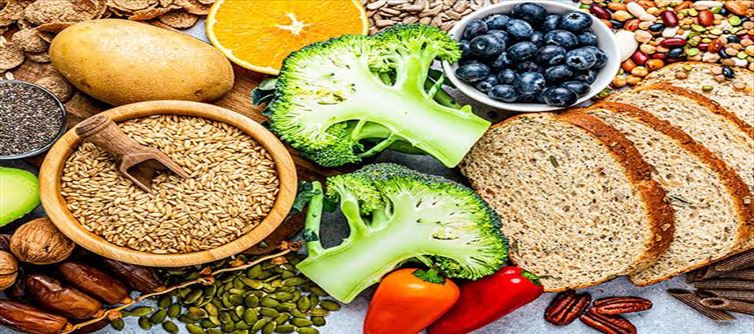

Fibre-rich foods provide a range of health advantages and are vital for our overall health. Dietary fiber, predominantly found in plant-based foods, plays a pivotal role in sustaining digestive well-being. Soluble fibre, present in items like oats, legumes, and fruits, aids in preventing constipation by absorbing water and softening stools, making bowel movements more regular and comfortable.
.jpeg)
Conversely, insoluble fibre, abundant in whole grains and vegetables, adds bulk to stools, facilitating their passage through the digestive system. Furthermore, fiber contributes significantly to blood sugar control. Soluble fiber hinders the rapid absorption of glucose, helping to avoid sudden spikes and drops in blood sugar levels, particularly beneficial for individuals with diabetes or those susceptible to the condition.
Dietary fiber also holds importance in maintaining heart health. It reduces LDL (bad) cholesterol levels by binding to it and promoting its removal from the body, thereby reducing the risk of heart disease and strokes. Moreover, fibre-rich foods support weight management by inducing a sense of fullness and reducing overall calorie intake.
In summary, fibre is an indispensable dietary component, delivering advantages such as improved digestive health, blood sugar management, heart health, weight control, and the cultivation of a balanced gut microbiome. Integrating diverse fibre-rich foods into our daily diets is essential for sustaining optimal health and well-being.
 click and follow Indiaherald WhatsApp channel