


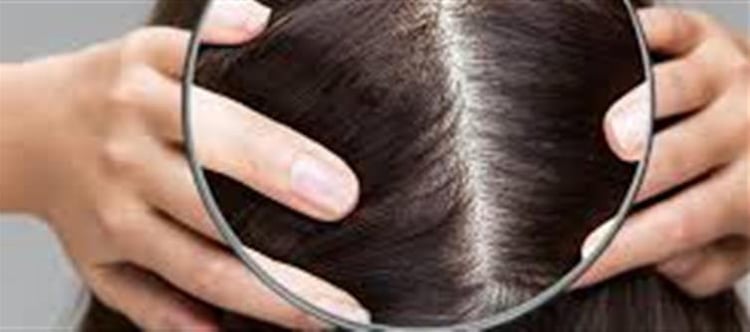

Beautiful, strong hair doesn’t just happen—it starts with a healthy scalp. Experts reveal that many common hair problems like thinning, breakage, and dullness are often rooted in scalp neglect rather than genetics alone. Here’s how to nourish your scalp and transform your hair.
1. Keep the Scalp Clean, But Don’t Overwash
Why it matters: Oils on your scalp protect hair, but buildup of dirt, sweat, and product can clog follicles.
Tip: Wash hair 2–3 times a week with a gentle shampoo. Avoid harsh sulfates that strip natural oils.
2. Massage Your Scalp Daily
Why it matters: Stimulates blood flow, encouraging nutrient delivery to hair follicles.
How: Use your fingertips in small circular motions for 5–10 minutes daily, optionally with coconut or argan oil.
3. Eat Hair-Friendly Nutrients
Key nutrients: Biotin, vitamin E, omega-3 fatty acids, zinc, and protein.
Sources: Eggs, nuts, seeds, fish, leafy greens, and lentils.
Benefit: Strengthens hair shafts, supports follicle health, and reduces breakage.
4. Avoid Scalp Stressors
What to avoid: Tight hairstyles, excessive heat styling, harsh chemicals, and frequent coloring.
Tip: Let your hair breathe and limit heat exposure to preserve scalp and hair health.
5. Hydrate Inside and Out
Why it matters: A dry scalp leads to flakiness and hair brittleness.
Tip: Drink at least 2 liters of water daily and use a light moisturizing scalp serum if needed.
6. watch for Early Warning Signs
Red flags: Itchiness, persistent dandruff, excessive hair fall, or thinning patches.
Action: Consult a dermatologist or trichologist promptly for early intervention.
Bottom Line
Healthy hair truly starts at the scalp. By combining gentle cleansing, scalp stimulation, proper nutrition, and mindful styling, you can transform your hair from weak and dull to strong, shiny, and resilient. Start these game-changing habits today, and your hair will thank you tomorrow!
Disclaimer:
The views and opinions expressed in this article are those of the author and do not necessarily reflect the official policy or position of any agency, organization, employer, or company. All information provided is for general informational purposes only. While every effort has been made to ensure accuracy, we make no representations or warranties of any kind, express or implied, about the completeness, reliability, or suitability of the information contained herein. Readers are advised to verify facts and seek professional advice where necessary. Any reliance placed on such information is strictly at the reader’s own risk.
 click and follow Indiaherald WhatsApp channel