


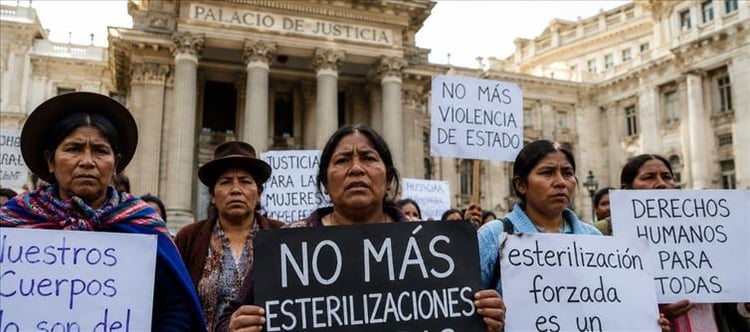

Between 1996 and 2000, peru became the center of one of the most disturbing population-control controversies in modern Latin American history. Under a government campaign officially framed as a public health and family-planning initiative, around 300,000 women — most of them poor and indigenous — were sterilised.
For many, the most horrifying part wasn’t just the scale.
It was the question of consent.
Numerous women later claimed they were pressured, manipulated, threatened, or never fully informed about what the procedures actually meant. Some reportedly signed documents they could not read. Others said they were convinced the surgery was temporary or medically necessary. In many cases, critics argued there was little genuine choice involved at all.
And almost all of the victims came from the country’s most vulnerable communities.
That’s what transformed the issue from a medical controversy into a national moral scandal. Because when state power targets poor populations under the banner of “development” or “population management,” the line between policy and coercion becomes terrifyingly thin.
Supporters at the time defended the program as an attempt to reduce poverty and expand reproductive healthcare access. But opponents saw something far darker: a system where marginalized women’s bodies were treated as tools for economic engineering rather than human beings deserving dignity and informed consent.
Years later, the controversy still haunts Peru. Families continue demanding accountability. Human rights organizations continue pushing for justice. And the debate remains emotionally explosive because it touches one of the most fundamental human rights imaginable — the right to decide whether or not to have children.
History is filled with moments where governments claimed they were acting “for the greater good.”
But this case became a brutal reminder of how easily power can cross the line when vulnerable people lose the ability to say no.
 click and follow Indiaherald WhatsApp channel