


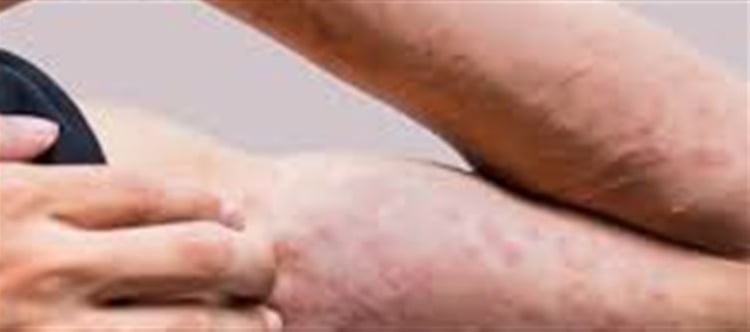

Skin cancer is one of the most common types of cancer, but early detection can save lives. Understanding who is at risk and recognizing the warning signs is key to prevention and timely treatment.
Who Is at Risk for Skin Cancer?
Fair-Skinned Individuals
People with light skin, hair, and eyes are more susceptible because they have less melanin, which protects the skin from harmful UV rays.
Excessive sun Exposure
Spending long hours in the sun without sunscreen or protective clothing increases the risk. This includes sunburns, tanning, and outdoor work.
Family History
A family history of skin cancer, especially melanoma, increases your likelihood of developing it.
Age Factor
Skin cancer risk increases with age, as cumulative sun exposure over the years can damage skin cells.
Weakened Immune System
Individuals with compromised immune systems, such as organ transplant recipients or people with autoimmune conditions, are more vulnerable.
Exposure to Certain Chemicals
Contact with arsenic, tar, or coal can increase the risk of developing skin cancers.
Common Symptoms of Skin Cancer
Early detection relies on recognizing unusual changes in the skin. Look for:
New Growths or Lumps
Any new bump, mole, or nodule that appears on your skin should be monitored.
Changes in Existing Moles
Asymmetry: One half doesn’t match the other
Border irregularity
Color variation
Diameter larger than 6 mm
Evolving shape, size, or color
Sores That Don’t Heal
Persistent scabs, ulcers, or lesions that fail to heal in a few weeks may indicate cancer.
Redness or Swelling Beyond a Mole
Expansion around a mole or growth can be a warning sign.
Itching, Tenderness, or Pain
Unexplained irritation in a specific area of the skin can indicate an underlying problem.
Bleeding or Oozing
Moles or growths that bleed easily or form a crust should be examined promptly.
Prevention Tips
Use broad-spectrum sunscreen daily.
Wear protective clothing and hats outdoors.
Avoid tanning beds.
Perform regular self-checks and see a dermatologist for any suspicious changes.
✅ Key Takeaway: Skin cancer can affect anyone, but knowing the risk factors and recognizing early symptoms can dramatically improve outcomes. Early detection saves lives—don’t ignore changes in your skin.
Disclaimer:
The views and opinions expressed in this article are those of the author and do not necessarily reflect the official policy or position of any agency, organization, employer, or company. All information provided is for general informational purposes only. While every effort has been made to ensure accuracy, we make no representations or warranties of any kind, express or implied, about the completeness, reliability, or suitability of the information contained herein. Readers are advised to verify facts and seek professional advice where necessary. Any reliance placed on such information is strictly at the reader’s own risk.
 click and follow Indiaherald WhatsApp channel