


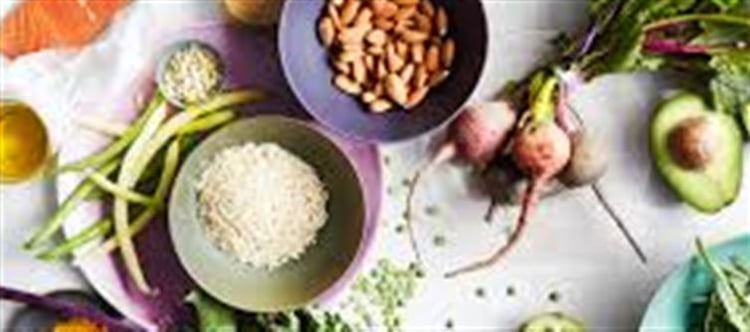

Good health doesn’t come from medicines alone — it begins with what you eat every day. Modern lifestyle diseases like diabetes, heart problems, obesity, and high blood pressure are largely linked to poor diet choices. The good news is that simple food habits can greatly reduce your risk of illness and help you live a longer, healthier life.
This guide explains what to eat, what to avoid, and why it matters, in a way anyone can follow.
🥗 What to Eat for a Healthy Body
1. Fresh fruits and Vegetables
These are rich in vitamins, minerals, antioxidants, and fiber.
✅ Benefits:
- Boost immunity
- Improve digestion
- Reduce risk of heart disease and cancer
Best choices:
- Leafy greens (spinach, methi)
- Seasonal fruits (apple, orange, papaya)
- Colorful vegetables (carrot, tomato, capsicum)
👉 Aim for at least 5 servings a day.
2. Whole Grains
Whole grains provide slow-release energy and keep blood sugar stable.
✅ Eat:
- Brown rice
- Whole wheat roti
- Oats
- Millets (ragi, jowar, bajra)
❌ Avoid refined grains like white bread and maida products.
3. Healthy Proteins
Protein helps build muscles, repair tissues, and keep you full longer.
✅ Good sources:
- Pulses and lentils
- Eggs
- Fish
- Lean chicken
- Paneer and tofu
- Nuts and seeds
4. Healthy Fats
Not all fats are bad. Your body needs good fats for brain and heart health.
✅ Choose:
- Nuts and seeds
- Olive oil, mustard oil
- Avocado
- Fatty fish (like salmon)
❌ Avoid trans fats and reused cooking oil.
5. Plenty of Water
Water supports digestion, circulation, and detoxification.
💧 Drink 8–10 glasses daily, more if physically active or in hot weather.
🚫 What to Avoid for Disease Prevention
1. sugar and Sugary Drinks
Excess sugar is a major cause of:
- Diabetes
- Obesity
- Fatty liver
- Tooth decay
❌ Avoid:
- Soft drinks
- Packaged juices
- Sweets and bakery items
👉 Replace with fruits or homemade drinks.
2. Processed and Junk Foods
Highly processed foods are loaded with:
- Salt
- Sugar
- Unhealthy fats
- Preservatives
❌ Examples:
- Chips
- Instant noodles
- Fast food
- Frozen snacks
These increase the risk of heart disease and high blood pressure.
3. Excess Salt
Too much salt can raise blood pressure and damage kidneys.
❌ Avoid:
- Pickles
- Papad
- Processed foods
- Excess table salt
👉 Use herbs and spices for flavor instead.
4. Alcohol and Smoking
Both are linked to:
- Liver disease
- Cancer
- Heart problems
- Weakened immunity
👉 Reducing or quitting is one of the best health decisions you can make.
🕒 Healthy Eating Habits That Matter
- Eat on time
- Don’t skip breakfast
- Avoid overeating at night
- Control portion sizes
- Eat mindfully — avoid screens while eating
🏃 Lifestyle Tips for a Disease-Free Life
Healthy food works best when combined with:
- 30 minutes of daily exercise
- 7–8 hours of sleep
- Stress management (yoga, meditation)
- Regular health check-ups
✅ Simple Daily Plate Rule
A healthy meal should look like this:
- 🥦 ½ plate vegetables
- 🌾 ¼ plate whole grains
- 🍗 ¼ plate protein
- 🥄 Small amount of healthy fat
Conclusion
Living a healthy, disease-free life doesn’t require expensive diets or supplements. It starts with simple food choices, consistency, and balance. By eating natural foods and avoiding processed items, you protect your body from many chronic diseases and improve your overall quality of life.
Remember:
🥗 Eat smart today to stay healthy tomorrow.
Disclaimer:
The views and opinions expressed in this article are those of the author and do not necessarily reflect the official policy or position of any agency, organization, employer, or company. All information provided is for general informational purposes only. While every effort has been made to ensure accuracy, we make no representations or warranties of any kind, express or implied, about the completeness, reliability, or suitability of the information contained herein. Readers are advised to verify facts and seek professional advice where necessary. Any reliance placed on such information is strictly at the reader’s own risk.
 click and follow Indiaherald WhatsApp channel