


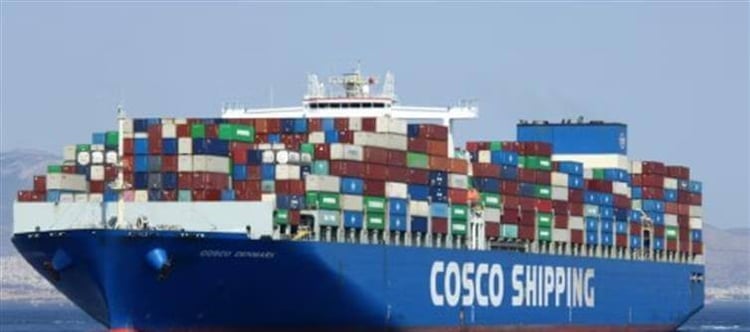

Gulf war Impact: indian Exports Hit by Emergency Shipping Duties
Escalating attacks on iran and subsequent retaliatory strikes have made key sea routes to West Asia increasingly risky for commercial vessels.
Due to heightened security threats in the gulf region, shipping companies have imposed emergency ceasefire duties ranging between $2,000 and $4,000 per container.
These additional charges came into effect from March 2 and have significantly increased freight costs for indian exporters and importers.
The new fees are being described as temporary risk surcharges linked to volatile maritime conditions in sensitive West Asian waters.
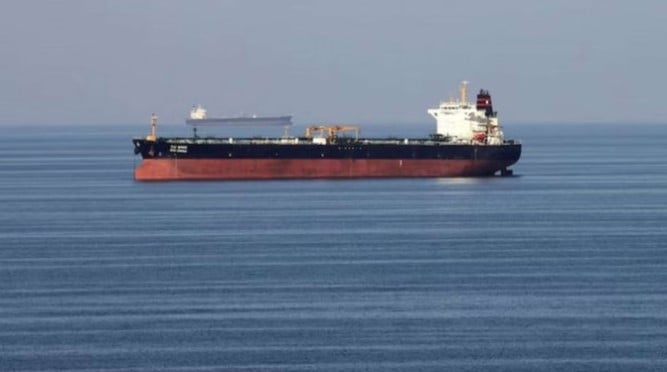
The sudden cost escalation has disrupted India’s export operations, with many traders pausing or cancelling shipments due to unviable margins.
According to industry sources, exporters say absorbing such steep additional charges is impossible under existing contracts and pricing structures.
The Commerce Ministry is closely monitoring the developments and reviewing the situation on priority.
The emergency duties apply to shipments from india to several gulf and neighbouring countries, including Iraq, Bahrain, Kuwait, Yemen, Qatar, Oman, UAE, Saudi Arabia, Jordan, Egypt’s Ain Sokhana Port, Djibouti, Sudan, and Eritrea.
The same surcharge structure also affects imports coming into india from these regions, further increasing trade costs.
Export consignments, especially agricultural products, are facing delays both by sea and air routes due to security-related disruptions.
Containers bound for affected destinations are currently being held up at indian ports amid uncertainty over safe transit.
Port authorities may impose daily ground charges of nearly $100 per container for delayed shipments, adding further financial strain.
Exporters describe the situation as a “double blow” — higher freight charges combined with port storage costs.
Trade with iran is particularly vulnerable. According to the Global Trade Research Initiative, india exported goods worth approximately $1.24 billion to iran in 2025.
Major exports included rice valued at $747 million, bananas worth $61 million, and tea exports of about $51 million.
Experts warn that prolonged disruption of sea routes could severely affect India’s agricultural export sector, which depends heavily on gulf markets.
If instability persists, exporters may face contract losses, payment delays, and long-term market setbacks in West Asia.
Disclaimer:
The information contained in this article is for general informational purposes only. While we strive to ensure accuracy, we make no warranties or representations of any kind, express or implied, about the completeness, accuracy, reliability, suitability, or availability of the content. Any reliance you place on the information is strictly at your own risk. The views, opinions, or claims expressed in this article are those of the author and do not necessarily reflect the official policy or position of any organization mentioned. We disclaim any liability for any loss or damage arising directly or indirectly from the use of this article.
 click and follow Indiaherald WhatsApp channel