



Reportedly even in the month of september, wholesale inflation remained below zero. With this, wholesale inflation has been in the negative for six consecutive months. In India, wholesale inflation fell to minus 0.26 percent in September. With this, wholesale inflation has remained below zero for six consecutive months. In august, headline inflation rose to a 5-month high of -0.52 percent. Wholesale prices were down by 0.59 percent in September. Wholesale prices rose by 0.20 per cent in August. The Ministry of Commerce informed that the wholesale prices have decreased in the month of september this year as compared to last year due to decrease in the prices of chemicals and chemical products, mineral oil, textiles, basic metals and food products. Food index inflation rose to 1.54 percent in September. august article inflation was 6.34% and in september it decreased to 3.70%. Similarly, the prices of fuel and electricity are 6.03 per cent and per cent. Decreased to 3.35.
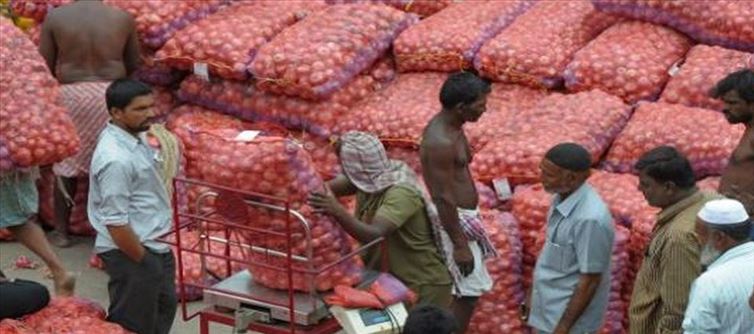
The prices of other manufactured goods decreased by 1.34 percent in the month of September. The prices of manufactured goods in July and august respectively. They have decreased to 2.58 and 2.37 percent. Prices of vegetables including onion also decreased. Vegetable prices, which had increased by 48.39 percent in august, fell to minus 15 percent in September. Wholesale price inflation or WPI inflation is inflation measured based on the price at which products are sold by producers to retailers. Retail inflation is mainly considered while considering the inflation in the country. However, wholesale inflation affects retail inflation. Thus, if there is an increase in wholesale inflation, there will also be an increase in retail inflation.
On the other hand, the RBI Monetary Policy Committee meeting held at the beginning of this month decided to keep the repo rate unchanged. . Hence the repo rate is only 6.5% as before. Further, the reserve bank of india expects retail inflation to be 5.4% in the current fiscal year and may drop to 5.2% in the first quarter of the next fiscal year. The RBI governor also said that inflation will be brought down by reducing vegetable prices and reducing cooking gas cylinder prices. Post-Covid-19, inflation has become a major problem in the country. RBI has also taken many measures to control inflation. In the RBI Monetary Policy Committee meeting held this month, it was informed that bonds would be issued to curb inflation. Until now, the RBI has been trying to curb inflation by raising interest rates. But now it has changed its stance and proposed issuing bonds to bring inflation closer to its target.
 click and follow Indiaherald WhatsApp channel