


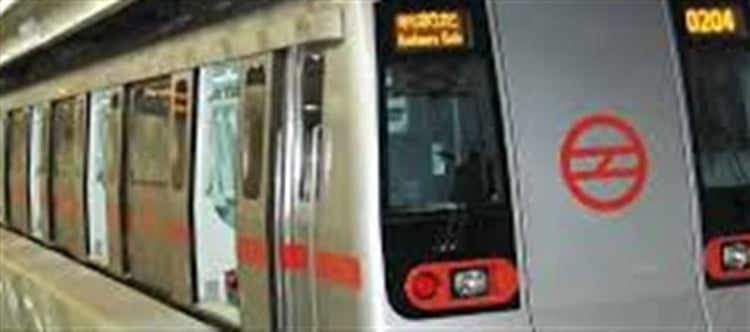

The Delhi Metro rail Corporation (DMRC) has officially commenced civil construction on the Lajpat nagar to Saket G Block section, a part of Phase IV of the delhi Metro expansion. This marks a significant step in expanding connectivity in South Delhi.
Key Highlights of the Project
1. Corridor Details:
o The Lajpat Nagar–Saket G Block corridor is part of the Phase IV metro plan, which aims to extend delhi Metro coverage and reduce traffic congestion.
o This is the first major construction work outside the previously designated priority corridors, signaling a broader rollout of Phase IV projects.
2. Strategic Importance:
o The corridor will connect densely populated and commercial areas in South delhi, improving commuter convenience and reducing travel time.
o Enhanced connectivity to key residential, commercial, and educational hubs is expected.
3. Construction and Timeline:
o Civil work includes elevated and underground sections, station construction, track laying, and utility integration.
o While the exact completion date isn’t announced, DMRC generally completes Phase IV projects in 3–5 years from the start of civil works.
4. Expected Benefits:
o Reduced traffic congestion on roads between Lajpat nagar and Saket.
o Faster and safer travel for daily commuters.
o Boost to local businesses due to improved accessibility.
o Integration with existing delhi Metro lines for seamless connectivity.
Looking Ahead
Phase IV of delhi Metro is a major urban mobility initiative, and the start of civil work on this corridor is a critical milestone. Residents of South delhi can expect enhanced transportation options and better connectivity once the corridor is operational.
Disclaimer:
The views and opinions expressed in this article are those of the author and do not necessarily reflect the official policy or position of any agency, organization, employer, or company. All information provided is for general informational purposes only. While every effort has been made to ensure accuracy, we make no representations or warranties of any kind, express or implied, about the completeness, reliability, or suitability of the information contained herein. Readers are advised to verify facts and seek professional advice where necessary. Any reliance placed on such information is strictly at the reader’s own risk..jpg)
 click and follow Indiaherald WhatsApp channel