


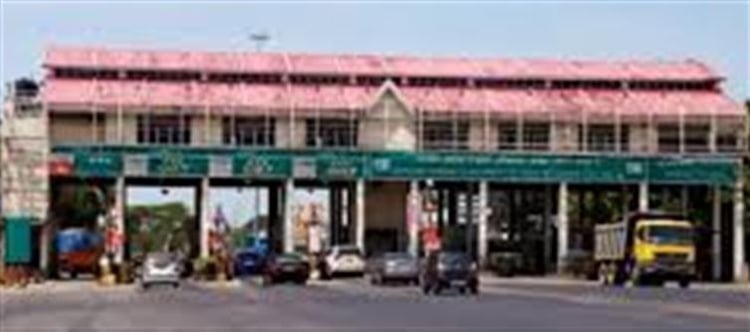

The Union Ministry of Road Transport and Highways has announced a major overhaul of toll‑payment rules nationwide. Starting April 10, 2026, cash payments at toll plazas on national highways and expressways will be completely discontinued — marking a transition to a fully wallet PLATFORM' target='_blank' title='digital-Latest Updates, Photos, Videos are a click away, CLICK NOW'>digital toll collection system.
This move affects all toll plazas across india and will change how motorists pay tolls during highway travel. Here's what every driver should know.
🚘 1. Cash Is Out — FASTag & UPI Are In
From april 10, cash will no longer be accepted at any toll booth on national highways and expressways in India. Toll payments must be made through:
· FASTag — the primary mode of payment
· Unified Payments Interface (UPI) — as an alternative if FASTag isn’t available
This digital‑only mandate aims to reduce congestion at toll plazas, streamline traffic flow, and eliminate long queues caused by cash transactions.
Important: vehicles without a valid FASTag will have to pay 1.25 times the normal toll fee via UPI — a premium designed to encourage FASTag adoption.
🛑 2. What Happens If You Don’t Pay at the Booth
If you pass through a toll plaza without a valid FASTag or don’t make a UPI payment:
· Authorities can issue an “unpaid user fee” e‑notice to the vehicle owner.
· If the toll isn’t cleared within 72 hours, the toll amount may be doubled.
· Failure to pay even after 15 days can lead to the unpaid amount being reported in the VAHAN database, leading to potential vehicle restrictions.
This system ensures compliance and discourages toll evasion after the cash option is removed.
📉 3. End of Informal Toll Waivers
Another notable change is the end of informal exemptions at toll plazas where commuters previously flashed government or official ID cards to skip payment. The new rules mandate that:
· Exempted FASTags are issued only to vehicles legally eligible for toll exemptions
· Using an ID card for waiver purposes will no longer be permitted
This is part of the government’s effort to standardise toll operations and reduce disputes at booths.
🏷️ 4. Annual Pass & Benefits for Frequent Users
Frequent travellers can also opt for a FASTag Annual Pass, which:
· Allows unlimited crossings (up to a fixed number of plazas) on national highways
· Offers convenience and can be more economical for regular long‑distance commuters
With wallet PLATFORM' target='_blank' title='digital-Latest Updates, Photos, Videos are a click away, CLICK NOW'>digital tolling now mandatory, the annual pass option could become popular among daily or frequent highway users.
🌐 5. Goal: Faster, Cleaner, and More Efficient Highways
The wallet PLATFORM' target='_blank' title='digital-Latest Updates, Photos, Videos are a click away, CLICK NOW'>digital tolling push is part of a broader government strategy to modernise highway infrastructure by:
· Reducing wait times and congestion at toll plazas
· Enhancing transparency in toll collection
· Encouraging the adoption of digital payments nationwide
Officials also see this as a stepping stone toward multi‑lane free‑flow (MLFF) tolling, where vehicles will pass through toll zones without stopping at booths at all.
🧑✈️ 6. What drivers Should Do Before april 10
To avoid inconvenience on highways:
✔ Ensure your FASTag is active and recharged
✔ Set up a UPI payment app in case FASTag fails
✔ Check for annual pass options if you travel frequently
✔ Avoid relying on cash — it won’t be accepted after april 10
🏁 In Summary
This major policy update means that from April 10 onwards:
· Cash toll payments will be completely banned nationwide
· wallet PLATFORM' target='_blank' title='digital-Latest Updates, Photos, Videos are a click away, CLICK NOW'>digital modes like FASTag and UPI will be the only ways to pay the toll
· Non‑compliance may result in higher toll charges or penalties
Motorists are advised to prepare now to avoid surprises on their journeys — especially if they travel long distances on national highways. 🇮🇳🚗
Disclaimer:
The views and opinions expressed in this article are those of the author and do not necessarily reflect the official policy or position of any agency, organization, employer, or company. All information provided is for general informational purposes only. While every effort has been made to ensure accuracy, we make no representations or warranties of any kind, express or implied, about the completeness, reliability, or suitability of the information contained herein. Readers are advised to verify facts and seek professional advice where necessary. Any reliance placed on such information is strictly at the reader’s own risk.
 click and follow Indiaherald WhatsApp channel