


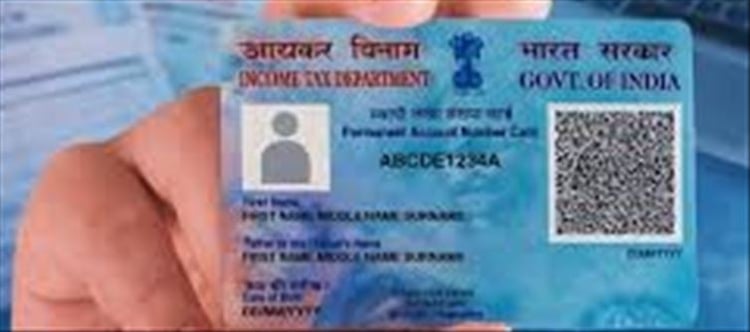

From April 1, 2026, India’s PAN (Permanent Account Number) application system has undergone a major update. The government has officially replaced the old application forms—Form 49A and Form 49AA—with a new, more structured set of four forms: Form 93, 94, 95, and 96.
This change is designed to simplify PAN applications by clearly separating applicants based on their category (individuals, companies, foreign entities, etc.), reducing confusion and errors during filing.
Why Were the PAN Forms Changed?
Earlier, most applicants used just two forms:
· 49A → indian citizens
· 49AA → Foreign citizens and entities
This created confusion because both individuals and organizations were mixed within the same forms.
Now, the system has been redesigned to:
· Clearly separate applicant types
· Reduce filing mistakes
· Make documentation more specific
· Improve processing speed and compliance
Old vs New PAN application Forms
Old Form
New Form
Who Should Use It
Form 49A
Form 93
Indian individuals and citizens
Form 49AA
Form 95
Foreign individuals and non-residents
(Part of 49A system)
Form 94
Indian companies, firms, trusts, entities
—
Form 96
Foreign companies and government bodies
Detailed Breakdown of New Forms
🧾 Form 93 – For indian Individuals
This is the most commonly used form.
It applies to:
· indian citizens
· Residents and NRIs with indian passport
· Individuals applying for new PAN
📌 Key update: More detailed KYC fields are required, including residential status and stricter identity verification.
🏢 Form 94 – For indian Entities
Used by:
· Companies registered in India
· Firms, partnerships
· Trusts, AOPs (Association of Persons)
This form helps separate business-related PAN applications from individual ones.
🌍 Form 95 – For Foreign Individuals
Used by:
· Foreign passport holders
· OCI/PIO holders
· Non-resident individuals without indian citizenship
This ensures clearer classification for international applicants.
🏛️ Form 96 – For Foreign Entities & government Bodies
Used by:
· Foreign companies
· international organizations
· government bodies and statutory authorities
This is a newly introduced category under the revised system.
What Happened to Form 49A & 49AA?
· Both Form 49A (Indian applicants) and Form 49AA (foreign applicants) are now discontinued for new applications.
· They are no longer accepted for fresh PAN applications from april 1, 2026 onward.
· Some portals may still show old labels temporarily, but they are mapped to the new system in the backend.
Key Changes in the New PAN System
1. More Detailed application Fields
· Residential status now clearly defined
· Citizenship classification added
· Additional identity verification requirements
2. Stronger Document Rules
Applicants must now provide:
· Identity proof
· Address proof
· Date of birth proof (mandatory in most cases)
3. More Accurate Categorization
Instead of a “one-size-fits-all” form, applicants are now grouped properly based on:
· Individual vs entity
· indian vs foreign status
· government vs private sector
Why This Change Matters
✔ Fewer application Errors
Clear forms reduce rejection due to wrong selection.
✔ Faster Processing
Better categorization helps authorities process applications more efficiently.
✔ Improved Compliance
Stricter data collection improves tax tracking and identity verification.
What Should You Do Now?
If you are applying for PAN after april 1, 2026:
· Choose the correct form based on your category
· Ensure your Aadhaar and documents match exactly
· Double-check spelling and details before submission
· Do not use old references like 49A or 49AA for new applications
Final Summary
The PAN system has shifted from two broad forms (49A/49AA) to four specialized forms (93–96) to make the process more structured and accurate.
system
Disclaimer:
The views and opinions expressed in this article are those of the author and do not necessarily reflect the official policy or position of any agency, organization, employer, or company. All information provided is for general informational purposes only. While every effort has been made to ensure accuracy, we make no representations or warranties of any kind, express or implied, about the completeness, reliability, or suitability of the information contained herein. Readers are advised to verify facts and seek professional advice where necessary. Any reliance placed on such information is strictly at the reader’s own risk.
 click and follow Indiaherald WhatsApp channel