

-

Amaravati
-
Amarnath Cave Temple
-
Amarnath K Menon
-
Andhra Pradesh
-
Bharatiya Janata Party
-
CBN
-
CM
-
Degree
-
Delhi
-
Election
-
Government
-
India
-
Indian
-
Karnataka
-
krishna
-
Krishna River
-
Leader
-
Loksabha
-
Madhya Pradesh - Bhopal
-
Minister
-
Moon
-
National Democratic Alliance
-
oil
-
oxygen
-
Party
-
police
-
politics
-
Population
-
Press
-
Professor
-
Shakti
-
Tamil
-
TDP
-
Telangana
-
Telangana Chief Minister
-
thursday
-
Uttar Pradesh

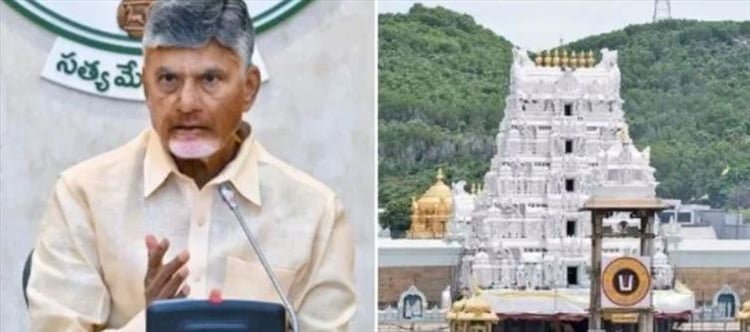
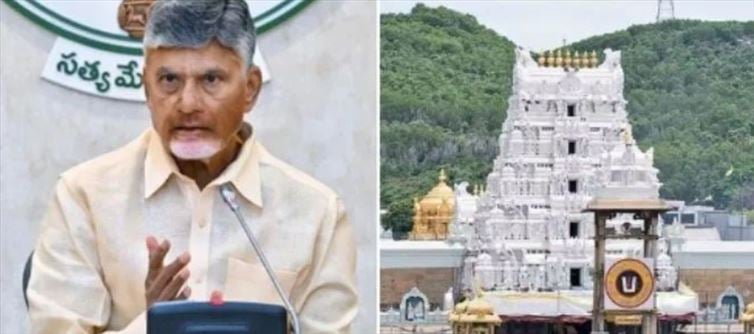
Andhra Pradesh chief minister N. chandrababu naidu has urged the Centre to take up the Godavari-Cauvery river-linking project, according to the Deccan Chronicle. The proposal, part of India's National River Linking Project conceptualised in the 1980s, would connect the surplus Godavari basin to the water-deficit Cauvery system. Political analysts say the timing — amid delicate nda coalition arithmetic and ahead of Andhra Pradesh's crucial budget negotiations — raises questions about whether the push also serves as a strategic display of coalition leverage.
[ANALYSIS]
There is a particular kind of political theatre that only a veteran like N. chandrababu naidu stages with this degree of nonchalance: you invoke a civilisational infrastructure dream, one so vast it makes opponents look small for quibbling — and in doing so, you quietly remind your coalition partner exactly how much they need you. The Godavari-Cauvery river link is that dream. And, in this analysis, the timing of its revival appears anything but accidental.
According to the Deccan Chronicle, Naidu on thursday urged the Centre to take up the Godavari-Cauvery interlinking project, a proposal that has floated through India's bureaucratic corridors since the National Water Development Agency first conceptualised large-scale river interlinking in the 1980s. The ask is enormous in scale: connecting the surplus waters of the Godavari basin — India's second-longest river — to the perennially deficit Cauvery system that sustains life across karnataka and tamil Nadu. On paper, it is a noble vision of hydraulic equity. From a strategic standpoint, it may also function as a lever — a point several political commentators have made in the context of nda coalition dynamics.
Consider the choreography. Naidu's tdp returned to power in andhra pradesh as part of the nda coalition. Political analyst and JNU professor Sandeep Shastri has previously noted that regional allies like tdp calibrate demands not merely for policy merit but for their signalling value to New delhi, a dynamic common across indian coalition governments. The Godavari-Cauvery pitch, in this reading, fits that pattern with textbook precision. It is simultaneously too grand for the Centre to reject outright and too complex to deliver quickly — which, analysts argue, buys Naidu a running negotiation rather than a one-off transaction.
View on X
The Coalition Arithmetic No One Will Say Aloud
India's river-linking programme, first given serious political oxygen by the Vajpayee government and intermittently championed by the Modi government, has always been hostage to inter-state rivalries and environmental clearances. The Ken-Betwa link in Madhya Pradesh–Uttar Pradesh, sanctioned years ago, remains the only project with significant on-ground momentum, according to multiple reports from the Ministry of Jal Shakti. Everything else — including the Godavari-Cauvery corridor — sits in feasibility-report purgatory.
So why raise it now? In this analysis, the answer lies less in hydrology and more in the NDA's coalition mathematics. Naidu's tdp is among the most significant regional allies in the BJP-led NDA. As political commentators including former election Commissioner S.Y. Quraishi have observed, the BJP's current lok sabha numbers leave limited room for defections; in their assessment, losing tdp support would pose a serious arithmetic problem for the ruling coalition. From a strategic standpoint, Naidu appears to wield this knowledge not with explicit threats but with aspirational mega-projects that cast him as a visionary partner rather than a demanding one — a critical distinction in indian coalition management, as scholars of coalition politics have long noted.
What Naidu May Actually Get By Asking
In this analysis, the political returns of the Godavari-Cauvery demand may flow from the asking itself, regardless of the Centre's timeline for execution. First, it positions Naidu as a leader thinking beyond Andhra Pradesh's borders — a statesman framing inter-state water equity, which could play well in potential alliance-building with tamil Nadu and karnataka stakeholders. Second, and more critically from a negotiation standpoint, it may set the table for Andhra Pradesh's immediate fiscal asks. When a chief minister has just asked for the moon — a multi-state, multi-lakh-crore river-engineering marvel — the subsequent budget negotiation for special infrastructure funding, backward-region grants, or amaravati capital support looks modest by comparison. This is what negotiation theorists call anchoring, and it is, in our assessment, being deployed here with the finesse of a three-decade political survivor.
According to reports from the press Information Bureau over the past year, the Centre has been studying the feasibility of multiple Godavari-basin diversions, including peninsular components of the National River Linking Project. But feasibility studies and political will are separated by a vast canyon, one that typically narrows only when electoral imperatives demand it. For the Centre, greenlighting even a preliminary phase of the Godavari-Cauvery link could antagonise telangana — which guards its Godavari claims fiercely — while potentially winning goodwill in tamil Nadu, a state where the bjp has long struggled to establish an independent footprint.
The Water Is Real, But the Calendar Is Political
None of this diminishes the genuine hydrological case for the project. The Godavari, with an average annual flow exceeding 110 billion cubic metres according to the Central Water Commission, is among India's most water-rich systems, while the Cauvery basin — serving over 40 million people — faces chronic deficits that have triggered some of independent India's bitterest inter-state disputes. The surplus-deficit mismatch is real. The engineering, while staggering, is not impossible. What has always been difficult is the politics.
It is important to note that Naidu and tdp leaders have consistently framed the Godavari-Cauvery link as a sincere infrastructure priority for southern India's water security, and there is a substantive hydrological case supporting that position. The Centre, for its part, has publicly expressed commitment to advancing river-linking projects under the National Perspective Plan. india Herald reached out to Naidu's office, the tdp, the bjp, and the Union Jal shakti Ministry for comment on the political dimensions discussed in this analysis; none had responded as of publication time.
That said, in our analysis, Naidu's move deserves scrutiny beyond the infrastructure headline. From a strategic standpoint, he may not be merely proposing a water project. He could be stress-testing the coalition's willingness to deliver on aspirational promises, establishing a public record of demands that can be cited later if the relationship shifts, and — in our reading — ensuring that when Andhra Pradesh's actual budgetary ask lands on the Finance Ministry's desk, it arrives in the context of a much larger, much more ambitious conversation.
The question delhi must now answer is not whether the Godavari-Cauvery link is feasible. Engineers have debated that for decades. The question, as this analysis frames it, is whether Naidu's coalition equity is large enough to move it from a feasibility report to a foundation stone — and whether the Centre can afford to say no to a partner it cannot afford to lose.
More from india Herald


Key Takeaways
- Naidu's Godavari-Cauvery river-link push, reported by the Deccan Chronicle, is timed in a way that political analysts say maximises coalition leverage ahead of Andhra Pradesh's critical fiscal negotiations with the Centre.
- The Godavari basin carries surplus flows exceeding 110 billion cubic metres annually (Central Water Commission), while the Cauvery basin faces chronic deficits — a genuine hydrological case that, in analysts' reading, doubles as political ammunition.
- In the current nda coalition arithmetic, TDP's support is near-indispensable for the BJP's lok sabha majority, giving Naidu's demands outsized bargaining weight, according to political commentators.
- The Ken-Betwa link remains the only river-linking project with real on-ground momentum, per Jal shakti Ministry reports — everything else, including Godavari-Cauvery, sits in feasibility-study limbo.
- In this analysis, by asking for a civilisational mega-project, Naidu anchors the negotiation so that Andhra Pradesh's immediate budgetary demands appear reasonable by comparison.
Frequently Asked Questions
What is the Godavari-Cauvery river-linking project?
It is a proposed mega-infrastructure project to divert surplus waters from the Godavari basin to the water-deficit Cauvery basin, spanning multiple southern indian states. It is part of India's broader National River Linking Project conceptualised since the 1980s.
Why is Naidu pushing for Godavari-Cauvery link now?
According to the Deccan Chronicle, Naidu urged the Centre to take up the project on Thursday. Political analysts note the timing coincides with Andhra Pradesh's need for enhanced central funding and Naidu's position as a critical nda coalition partner, giving the demand significant political leverage. Naidu and tdp leaders have framed it as a sincere infrastructure priority for southern India's water security.
What is the current status of river-linking projects in India?
The Ken-Betwa link between madhya pradesh and Uttar Pradesh is the only river-linking project with significant on-ground progress, according to Jal shakti Ministry reports. Most other proposals, including the Godavari-Cauvery corridor, remain in feasibility-study stages.
How does the Godavari-Cauvery link affect nda coalition politics?
TDP's support is essential for the BJP-led NDA's lok sabha majority, according to political commentators. Analysts argue Naidu's infrastructure demands serve as a public negotiation tool, testing the Centre's willingness to deliver for a coalition partner. tdp maintains the demand is driven by genuine water-security concerns.
 click and follow Indiaherald WhatsApp channel