


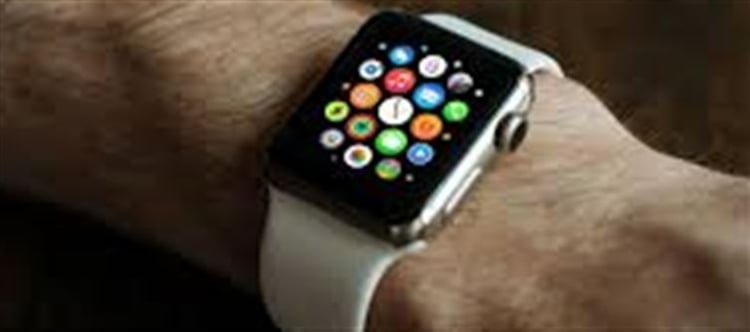

A recent study has highlighted the dramatic growth potential of wearable healthcare technology over the coming decades. Devices such as blood pressure monitors, fitness trackers, and wearable ultrasound patches are expected to see a massive surge in global adoption.
Key Findings of the Study
Massive Increase in Usage
By 2050, the global consumption of wearable health devices could increase 42 times compared to current levels.
This would amount to nearly 2 billion devices per year being produced and used worldwide.
Carbon Footprint Concerns
With this increase, the devices are projected to emit around 3.4 million metric tonnes of carbon dioxide equivalent (CO₂e) annually.
The study emphasizes the environmental impact of scaling up production and disposal of such electronic devices.
Popular Types of Devices
Blood pressure monitors for continuous cardiovascular monitoring.
Ultrasound patches for diagnostic and therapeutic purposes.
Fitness and health trackers for daily wellness monitoring.
Drivers of Growth
Rising health awareness among populations.
Technological advancements making devices smaller, more accurate, and wearable.
Increase in chronic health conditions requiring constant monitoring.
Expansion of telemedicine and remote healthcare services globally.
Challenges Ahead
Managing e-waste generated by billions of devices.
Reducing carbon emissions during production and disposal.
Ensuring data privacy and cybersecurity as devices collect sensitive health information.
Implications
- For Healthcare:
- Continuous monitoring could prevent illnesses and reduce hospital visits.
- Early detection of health issues becomes easier, improving patient outcomes.
- For Environment:
- Governments and manufacturers need to invest in sustainable production and recycling.
- Policies for eco-friendly wearable tech will be essential to limit carbon emissions.
- For Consumers:
- More options for personal health monitoring will be available.
- Awareness about the impact of device disposal and energy usage will become important.
Conclusion
The study shows that wearable healthcare technology is poised for exponential growth, potentially reaching 2 billion units annually by 2050. While this is promising for personalized and preventive healthcare, it also raises serious concerns about carbon emissions and sustainability. Proper measures in eco-design, recycling, and energy-efficient production will be essential to balance growth with environmental responsibility.
Disclaimer:
The views and opinions expressed in this article are those of the author and do not necessarily reflect the official policy or position of any agency, organization, employer, or company. All information provided is for general informational purposes only. While every effort has been made to ensure accuracy, we make no representations or warranties of any kind, express or implied, about the completeness, reliability, or suitability of the information contained herein. Readers are advised to verify facts and seek professional advice where necessary. Any reliance placed on such information is strictly at the reader’s own risk.
 click and follow Indiaherald WhatsApp channel