


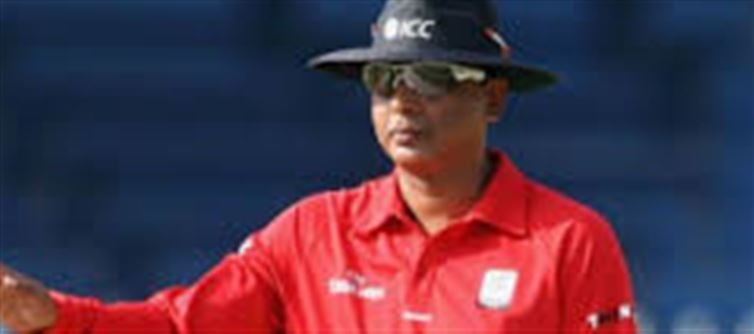

Becoming a cricket umpire in india, especially under the Board of Control for cricket in india (BCCI), is a prestigious opportunity for those passionate about the sport. Surprisingly, you don’t need to have played professional cricket to become an umpire—but a strong understanding of the game and its rules is essential.
1. Required Course to Become a bcci Umpire
To officiate in BCCI-sanctioned matches, candidates need to complete the BCCI Umpires’ Examination. Here’s how it works:
Step 1: Register with your state cricket association – Most candidates begin their journey through state cricket boards.
Step 2: Complete the bcci Level 1 Umpiring Course – This foundational course teaches the laws of cricket, match management, and on-field decision-making.
Step 3: Pass written and practical exams – bcci conducts exams to assess your knowledge of rules and umpiring skills.
Step 4: Progress to higher levels – After Level 1, you can move on to Level 2 and Level 3 courses, enabling you to umpire in more prestigious domestic and international matches.
2. Minimum Salary of a bcci Umpire
Entry-level umpires in domestic matches typically earn between ₹20,000 to ₹35,000 per match.
As experience grows and you officiate in high-profile matches like the Ranji Trophy, IPL, or international games, salaries can increase significantly, sometimes exceeding ₹1 lakh per match for top-level events.
3. Key Skills Required
In-depth knowledge of all cricket rules and regulations.
Excellent decision-making and concentration during matches.
Physical fitness to withstand long hours on the field.
Becoming a bcci umpire is a blend of formal training, practical experience, and passion for the game. With dedication, it’s possible to rise from local matches to the international stage.
Disclaimer:
The views and opinions expressed in this article are those of the author and do not necessarily reflect the official policy or position of any agency, organization, employer, or company. All information provided is for general informational purposes only. While every effort has been made to ensure accuracy, we make no representations or warranties of any kind, express or implied, about the completeness, reliability, or suitability of the information contained herein. Readers are advised to verify facts and seek professional advice where necessary. Any reliance placed on such information is strictly at the reader’s own risk..jpg)
 click and follow Indiaherald WhatsApp channel