


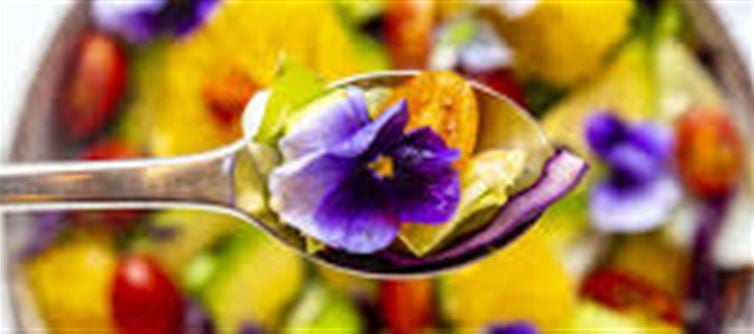

Flowers are often admired for their beauty, fragrance, or religious significance—but in Indian kitchens, several flowers have been traditionally used in cooking. From vegetables to sweets and herbal drinks, edible flowers add flavor, aroma, and nutritional benefits to meals.
Why Use Edible Flowers?
- Flavor & Aroma: Flowers can add subtle sweetness, bitterness, or spice to dishes.
- Nutrition: Many edible flowers are rich in vitamins, antioxidants, and minerals.
- Aesthetic Appeal: Flowers make dishes visually appealing, enhancing the dining experience.
- Traditional Medicine: Some flowers are used in Ayurvedic remedies and herbal teas.
6 Widely Used Edible Flowers in indian Cooking
1. Hibiscus (Gudhal)
- Uses: Tea, jams, chutneys, and cooling drinks.
- Benefits: Rich in vitamin C and antioxidants, aids digestion.
- Flavor: Tart and slightly tangy.
2. Marigold (Genda)
- Uses: Curries, rice dishes, and garnishing sweets.
- Benefits: Contains carotenoids, which are good for eyes and immunity.
- Flavor: Slightly bitter but aromatic.
3. Rose (Gulab)
- Uses: Rose water, jams, desserts like gulab jamun, and sherbets.
- Benefits: Rich in antioxidants, promotes digestion and skin health.
- Flavor: Sweet, floral, and refreshing.
4. lotus (Kamal)
- Uses: lotus stem in stir-fries and curries, lotus seeds in sweets and snacks.
- Benefits: High in fiber, protein, and minerals, supports heart health.
- Flavor: Mild and nutty.
5. banana Flower (Kele Ka Phool)
- Uses: Curry, stir-fried dishes, salads, and soups.
- Benefits: Helps in blood sugar management and digestion, rich in fiber.
- Flavor: Slightly bitter, soft texture when cooked.
6. Saffron (Kesar)
- Uses: Desserts like kheer and halwa, drinks, and biryanis.
- Benefits: High in antioxidants, known for mood-enhancing properties.
- Flavor: Aromatic, slightly sweet, and earthy.
Tips for Using Edible Flowers
- Only use fresh, organic, pesticide-free flowers.
- Wash gently before using to remove dust or insects.
- Add at the right time in cooking—some flowers are best added raw for garnish, others can be cooked.
- Start with small quantities as some flowers have strong flavors.
Bottom Line
Edible flowers bring flavor, nutrition, and color to everyday cooking. Whether you’re preparing vegetables, sweets, or herbal drinks, these six flowers—hibiscus, marigold, rose, lotus, banana flower, and saffron—can elevate your meals naturally. Incorporating flowers into your diet is a blend of tradition, taste, and health.
Disclaimer:
The views and opinions expressed in this article are those of the author and do not necessarily reflect the official policy or position of any agency, organization, employer, or company. All information provided is for general informational purposes only. While every effort has been made to ensure accuracy, we make no representations or warranties of any kind, express or implied, about the completeness, reliability, or suitability of the information contained herein. Readers are advised to verify facts and seek professional advice where necessary. Any reliance placed on such information is strictly at the reader’s own risk.
 click and follow Indiaherald WhatsApp channel