


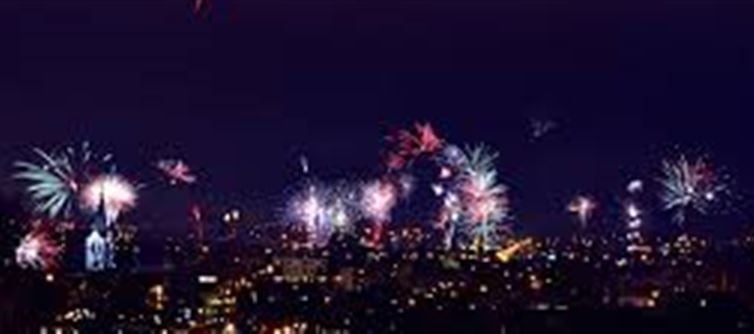

1. Global Significance: New Year’s Eve
December 31st is celebrated globally as New Year’s Eve, marking the final day of the Gregorian calendar year.
It is both a festival and a cultural event, celebrated with parties, gatherings, fireworks, and countdowns leading up to midnight.
The festival represents closure, reflection, and anticipation — people reflect on the past year and prepare to welcome the New Year.
2. Traditions and Customs Around the World
a) Fireworks and Light Shows
One of the most iconic New Year’s Eve traditions is fireworks at midnight, symbolizing joy, hope, and warding off negative energy.
Famous celebrations include:
Times Square, New York City – the world-famous ball drop.
Sydney Harbour, Australia – spectacular fireworks over the Opera house and Harbour Bridge.
London, UK – fireworks along the Thames near Big Ben.
b) Countdown to Midnight
A central ritual is the countdown to midnight, often accompanied by cheering, singing, and sometimes a toast with champagne.
Midnight marks the transition from the old year to the new year, celebrated with hugs, kisses, and best wishes.
c) Food and Festivities
Many cultures prepare special dishes for luck and prosperity.
Spain – eating 12 grapes at midnight, one for each stroke of the clock.
Italy – eating lentils for wealth in the coming year.
USA – black-eyed peas and greens are eaten for good luck.
Family gatherings, feasts, and parties are common across the globe.
d) Spiritual and Cultural Traditions
Scotland (Hogmanay) – first-footing, where the first visitor after midnight brings good luck.
Germany & austria (Silvester) – fireworks, parties, and public celebrations named after Pope Sylvester I.
Some cultures combine prayers, meditation, and reflection to start the New Year positively.
3. Symbolism of the Festival
Closure and Reflection: people review the past year’s achievements, challenges, and lessons.
Hope and Renewal: It symbolizes new beginnings, fresh starts, and personal resolutions.
Unity and Joy: The festival is celebrated worldwide, creating a shared cultural moment across countries and communities.
4. Fun Facts About New Year’s Eve
The first New Year celebrations date back over 4,000 years, originating in ancient Babylon.
Time zones make New Year’s Eve a rolling global celebration — the first countries to welcome the new year are in the Pacific (Kiribati, New Zealand), and the last are in Hawaii and American Samoa.
Unique modern traditions include countdown parties, concerts, and televised events, which are broadcast globally.
5. Summary Table
Aspect
Details
Festival Name
New Year’s Eve
Date
December 31
Global Significance
Last day of the year; celebration of transition to new year
Main Traditions
Fireworks, countdowns, parties, feasts, first-footing
Symbolism
Reflection, closure, renewal, hope, joy
Cultural Variations
Hogmanay (Scotland), Silvester (Germany/Austria), Grapes in Spain, Black-eyed peas in USA
6. Essence of the Festival
New Year’s Eve is both a festive celebration and a symbolic festival. It combines joy, reflection, cultural traditions, and hope for the future. From fireworks in major cities to family dinners and spiritual rituals, it is a day that bridges the old and the new, uniting people around the world in shared celebration.
Disclaimer:
The views and opinions expressed in this article are those of the author and do not necessarily reflect the official policy or position of any agency, organization, employer, or company. All information provided is for general informational purposes only. While every effort has been made to ensure accuracy, we make no representations or warranties of any kind, express or implied, about the completeness, reliability, or suitability of the information contained herein. Readers are advised to verify facts and seek professional advice where necessary. Any reliance placed on such information is strictly at the reader’s own risk.
 click and follow Indiaherald WhatsApp channel