


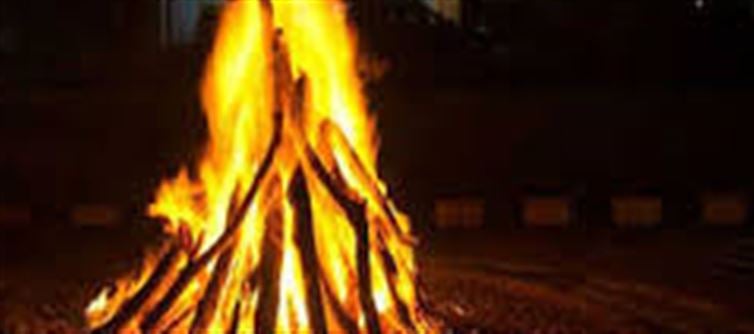

Lohri is one of the most joyful and culturally significant festivals in North India, especially in Punjab, Haryana, Himachal Pradesh, and Delhi. Celebrated to mark the end of winter and the arrival of longer days, it also celebrates the harvest of rabi crops like wheat, sugarcane, and sesame. The festival is synonymous with bonfires, folk songs, dances, and family gatherings.
For 2026, observing Lohri at the right time (Shubh Muhurat) is considered auspicious, as it is believed to bring prosperity, good health, and happiness.
1. Date of Lohri 2026
- Lohri is celebrated on January 13th every year.
- In 2026, Lohri falls on Tuesday, 13th January.
2. Significance of Lohri
- Harvest Festival: Lohri marks the harvest of sugarcane, sesame (til), and wheat, thanking nature for the abundance.
- Sun Worship: The festival coincides with the sun’s journey towards the northern hemisphere (Uttarayan), symbolizing new beginnings.
- Cultural Celebrations: people light bonfires, sing folk songs, and perform Bhangra and Gidda dances.
- Family Rituals: Newlyweds, newborns, and children are specially celebrated during Lohri, as it is believed to bring good luck and blessings.
3. shubh Muhurat for Lighting Lohri 2026
Lighting the Lohri bonfire at the right time is considered auspicious. The shubh Muhurat ensures that the festival’s energy and blessings are maximized.
- Date: january 13, 2026 (Tuesday)
- Shubh Muhurat: 7:20 PM to 10:10 PM IST
- Nakshatra Consideration: Lohri is celebrated in accordance with Magha Nakshatra, which aligns with auspicious energy for harvest and prosperity.
Lighting the bonfire within this time frame is believed to bring wealth, health, and family happiness.
4. How to Perform the Lohri Ritual
Prepare the Bonfire:
Collect wood, sugarcane stalks, dried leaves, and firewood.
Arrange them in a pit or open ground for a safe fire.
Offerings (Lohri Daan):
Sesame seeds (til), jaggery (gur), rewri, peanuts, and coconut pieces are offered to the fire.
People throw the offerings into the flames while praying for prosperity and health.
Prayers and Songs:
Sing Lohri folk songs in praise of the sun, harvest, and ancestors.
Children and adults go around the bonfire, performing Bhangra or Gidda dances.
Blessings and Sweets:
Elders bless the young members of the family.
Til-Gur sweets are shared among friends and neighbors, symbolizing sweetness and harmony.
5. Important Things to Remember
- Safety First: Ensure the bonfire is set up in a safe, open space away from flammable structures.
- Eco-Friendly Practices: Use dry leaves, hay, and farm waste instead of harmful materials.
- Timing is Key: Light the bonfire during the Shubh Muhurat to maximize auspiciousness.
- Community Participation: Lohri is also about sharing joy and food, so involve family and neighbors.
6. Modern Celebrations
- Many urban households adapt Lohri celebrations indoors with small fire pits or decorative lamps.
- Virtual Lohri: Families and friends celebrate together over video calls, especially if dispersed geographically.
- Cultural Programs: Schools and colleges organize Lohri events with dances, songs, and plays, keeping the tradition alive among the younger generation.
7. Lohri Special Foods
- Til-Gur Laddoos: Sesame and jaggery sweets
- Peanuts and Rewri: Traditional festive snacks
- Gajak: Crunchy sesame sweet, especially popular in Punjab
- Makki Ki Roti & Sarson Ka Saag: Regional dishes that complement the celebration
These foods are symbolic of harvest, prosperity, and sharing.
8. Spiritual Benefits of Lohri Daan and Bonfire
- Bonfire symbolizes warmth, energy, and the sun.
- Throwing til and gur represents dispelling negativity and attracting positivity.
- Sharing sweets and food spreads happiness and community bonding.
Performing Lohri rituals with devotion is believed to bring health, wealth, and family harmony throughout the year.
9. Conclusion
Lohri 2026 is a festival of joy, harvest, and new beginnings. Observing the Shubh Muhurat (7:20 PM – 10:10 PM IST) for lighting the bonfire, offering traditional foods, and performing rituals ensures that the festival brings maximum blessings, prosperity, and happiness.
Whether in rural villages or urban apartments, Lohri continues to connect families, communities, and traditions, making it one of the most beloved indian festivals.
Disclaimer:
The views and opinions expressed in this article are those of the author and do not necessarily reflect the official policy or position of any agency, organization, employer, or company. All information provided is for general informational purposes only. While every effort has been made to ensure accuracy, we make no representations or warranties of any kind, express or implied, about the completeness, reliability, or suitability of the information contained herein. Readers are advised to verify facts and seek professional advice where necessary. Any reliance placed on such information is strictly at the reader’s own risk.
 click and follow Indiaherald WhatsApp channel