



Many people feel that their salary disappears quickly after payday. The 50-30-20 budget rule is a simple way to manage your money and ensure you save while meeting your needs.
What Is the 50-30-20 Rule?
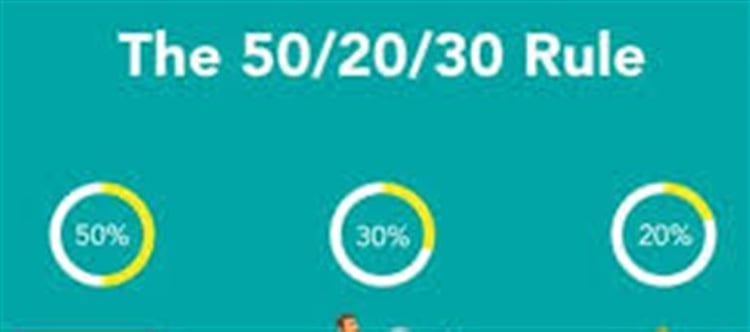
The rule divides your monthly income into three categories:
50% – Needs
Essential expenses you cannot avoid, such as:
Rent or mortgage
Utilities (electricity, water, internet)
Groceries and daily necessities
Health insurance or mandatory bills
30% – Wants
Non-essential expenses that enhance your lifestyle, such as:
Dining out or entertainment
Shopping for clothes or gadgets
Travel or hobbies
This category lets you enjoy your money without overspending.
20% – Savings and Investments
Portion of your income reserved for financial security and future goals:
Emergency fund
Retirement savings (EPF, PPF, NPS)
Mutual funds or stock investments
Debt repayment beyond minimum bills
How to Implement It
Calculate your total monthly income after taxes.
Allocate 50% for needs, 30% for wants, and 20% for savings/investments.
Track your spending each month to ensure you stick to the percentages.
Adjust as needed depending on your lifestyle, debt, or financial goals.
Benefits of the 50-30-20 Rule
- Simple and easy to follow for anyone, regardless of income level.
- Ensures you cover essentials, enjoy life, and save for the future.
- Helps prevent living paycheck to paycheck.
- Encourages long-term financial discipline.
Tips for Success
- Use budgeting apps or spreadsheets to track spending.
- Reduce unnecessary wants if savings are low.
- Gradually increase the 20% savings portion as income grows.
- Review the budget every few months to stay on track.
Disclaimer:
The views and opinions expressed in this article are those of the author and do not necessarily reflect the official policy or position of any agency, organization, employer, or company. All information provided is for general informational purposes only. While every effort has been made to ensure accuracy, we make no representations or warranties of any kind, express or implied, about the completeness, reliability, or suitability of the information contained herein. Readers are advised to verify facts and seek professional advice where necessary. Any reliance placed on such information is strictly at the reader’s own risk.
 click and follow Indiaherald WhatsApp channel