


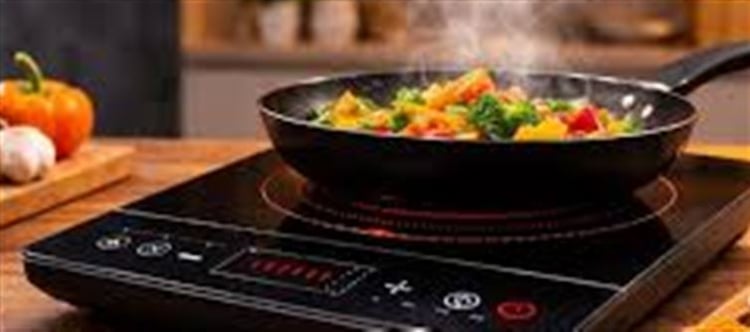

As india faces cooking gas supply disruptions and price volatility, experts and policymakers are increasingly discussing whether ethanol — a renewable biofuel — could become an alternative to Liquefied Petroleum Gas (LPG) in household kitchens and commercial settings.
🔥 What’s Behind the Discussion?
Recent global geopolitical tensions — especially the conflict affecting oil and gas shipping routes in West Asia — have strained LPG supplies and pushed up prices, prompting kitchens, restaurants and households to rethink fuel choices.
While the indian government continues to assure that LPG supplies remain adequate, concerns about disruptions have sparked interest in alternative cooking fuels, including kerosene, induction and now ethanol.
🌾 What Is Ethanol and Why It’s Being Considered
Ethanol is a biofuel made from agricultural feedstocks like sugarcane, maize and other biomass. india already has a well‑developed ethanol production base due to its petrol‑blending programme, and there’s surplus production capacity beyond current blending targets.
Unlike LPG, which is largely import‑dependent, ethanol can be sourced domestically, offering potential energy security, lower import bills and support for rural farmers.
🔄 How Ethanol Could Work as a Cooking Fuel
✅ 1. Domestic Production and Supply Framework
- India’s ethanol industry has expanded rapidly to meet petrol blending mandates, and a portion of this ethanol could be diverted toward cooking fuel use without affecting blending goals.
- The supply chain for ethanol — from distilleries to pipelines and road transport — already exists in large part, which could help establish distribution for culinary applications.
✅ 2. Clean‑Burning and health Benefits
- Ethanol burns cleanly, emitting mainly water vapour and CO₂, with far fewer harmful particulates than biomass fuels like wood or dung.
- Cleaner combustion could also reduce indoor air pollution, a serious health concern in many indian kitchens.
✅ 3. Safer Alternative to Other Fuels
- Unlike LPG cylinders, ethanol stoves carry a lower explosion risk, making them potentially safer in densely populated urban environments or informal commercial setups.
⚠️ Challenges and Limitations
❌ 1. Infrastructure and Appliance Adoption
- Cooking with ethanol requires different stove technologies and fuel storage methods compared with LPG. Widespread adoption would need new appliances and safety standards.
❌ 2. Cost and Economics
- Even with domestic production, ethanol as a cooking fuel must be cost‑competitive with LPG after accounting for distribution and handling. Pricing strategies and subsidies may be needed.
❌ 3. Food vs Fuel Debate
- Scaling ethanol production from food crops could impact edible oil and grain markets, raising concerns about agricultural resource allocation — a debate india has faced in other biofuel discussions.
📊 Could Ethanol Fully Replace LPG?
Experts suggest that ethanol won’t replace LPG overnight but could become a significant supplementary or alternative cooking fuel if supportive policies, infrastructure investments, and safety standards are implemented.
In other words:
- Short term: Ethanol could be piloted in certain segments (e.g., street food vendors, institutional kitchens).
- Medium term: Hybrid use with LPG and electric cooking could diversify energy sources.
- Long term: With policy backing, ethanol could serve as a renewable, homegrown cooking energy option, reducing LPG import dependence.
📍 Final Take
While LPG remains the dominant cooking fuel for indian households, ethanol presents a promising alternative that could enhance energy security, support rural economies, and reduce reliance on imported fossil fuels — especially if india continues to expand its biofuel infrastructure and market readiness.
Disclaimer:
The views and opinions expressed in this article are those of the author and do not necessarily reflect the official policy or position of any agency, organization, employer, or company. All information provided is for general informational purposes only. While every effort has been made to ensure accuracy, we make no representations or warranties of any kind, express or implied, about the completeness, reliability, or suitability of the information contained herein. Readers are advised to verify facts and seek professional advice where necessary. Any reliance placed on such information is strictly at the reader’s own risk.
 click and follow Indiaherald WhatsApp channel