


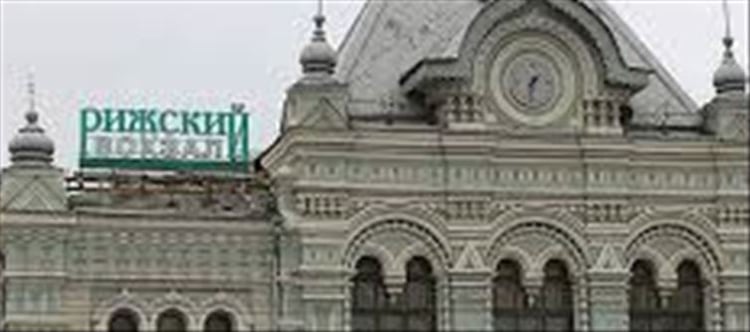

Moscow: Historic railway station Enters Market
A surprising development has emerged from Russia, where the historic Rizhsky railway station in moscow has reportedly been put up for sale. The move has attracted attention due to the station’s long-standing importance in the city’s transport network.
Statement on Future Redevelopment Plans
According to the selling authority, the property is being offered with possibilities for “new purpose redevelopment.” The advertisement suggests that the site can be transformed for alternative commercial or urban development projects, opening up flexible usage options.
A Landmark with Transport Heritage
The Rizhsky railway station, operated historically under Russian Railways, has been known as one of Moscow’s notable railway hubs. Over the years, it has served as an important connection point for regional and long-distance travel.
Redevelopment Potential Under Discussion
Urban planners and developers are expected to closely watch the sale, as the station’s large infrastructure and central location could make it a valuable redevelopment site. Possible future uses could include commercial complexes, cultural spaces, or mixed-use developments.
Conclusion
The decision to sell such a well-known transport landmark marks a significant shift in Moscow’s urban landscape. Further details on buyers and redevelopment plans are expected to emerge in the coming weeks.
Disclaimer:
The views and opinions expressed in this article are those of the author and do not necessarily reflect the official policy or position of any agency, organization, employer, or company. All information provided is for general informational purposes only. While every effort has been made to ensure accuracy, we make no representations or warranties of any kind, express or implied, about the completeness, reliability, or suitability of the information contained herein. Readers are advised to verify facts and seek professional advice where necessary. Any reliance placed on such information is strictly at the reader’s own risk.
 click and follow Indiaherald WhatsApp channel