


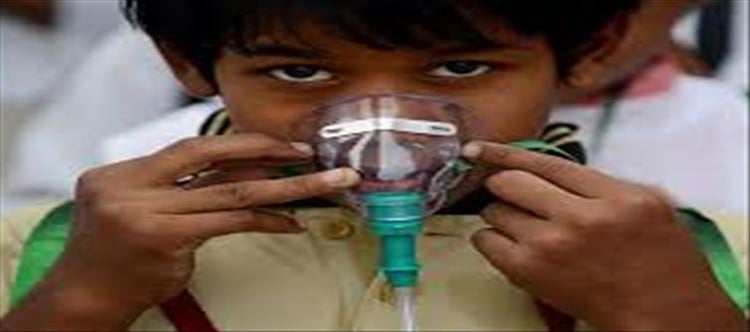

Frightening air pollution reports...Let's see here...
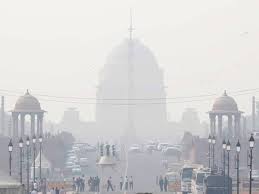
1. Over the past 18 years, delhi has seen a three and a half-fold increase in cancer-related deaths; physicians attribute this to pollution. In the meantime, delhi, India's capital, has the most number of cancer registry registrations out of all the locations in the country, according to data from the National cancer Registry Program from 2012 to 2016. Based on the available statistics, the incidence of cancer in children between the ages of 0 and 14 ranges from 0.7% to 3.7%.
According to the same paper, children are more likely than adults to develop cancer as a result of air pollution because they breathe more quickly and engage in more physical activity. Aside from this, youngsters typically reside near the ground, where contaminants continue to build up.
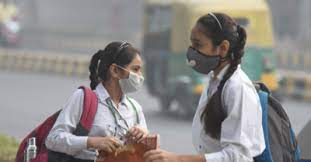
2. The pollution CONTROL BOARD' target='_blank' title='central pollution control board-Latest Updates, Photos, Videos are a click away, CLICK NOW'>central pollution control board study describes how pollution is currently dispersed throughout the ecosystem. It is extremely dangerous for both kids and adults. Most delhi hospitals are admitting patients who are sickened by pollution. This toxic air currently contains a wide range of pollutants, including ozone (OTH), nitrogen dioxide (NO2), nitric oxide (NO), and carbon monoxide (CO). These substances are all harmful to human health. people who are exposed to these elements over an extended period of time may experience severe respiratory health issues. heart conditions and asthma may also result from this.
3. In a paper, Down to Earth (DTE) examined 25 studies released between october 2018 and october 2023 and concluded that the impact of air pollution on indian children extends beyond delhi and Northern India. The health of the pregnancy and the child is impacted by air pollution. pregnant women who are exposed to poor air quality may have low birth weight, early delivery, and stillbirth, according to the same Down to Earth survey. It is now typical for children to have developmental failure and delays as a result of low air quality. In addition, the youngster is more likely to experience respiratory difficulties and anemia.
 click and follow Indiaherald WhatsApp channel