


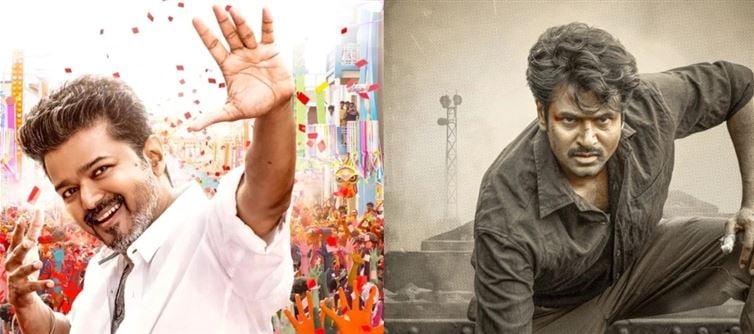

Indian cinema has always negotiated with power—but rarely has power spoken this loudly. What once operated through whispers, intermediaries, and invisible pressure has now stepped into daylight. The contrasting fates of Jananayagan and Parasakthi are not just about censorship—they are about submission, access, and an unmistakable warning. In a single week, the illusion of artistic freedom cracked, revealing a system where compliance is rewarded and resistance is punished.
⚡ THE STORY THAT SENT SHOCKWAVES
1. Same Storm, Two Outcomes
Both Jananayagan and Parasakthi faced censorship hurdles. Both were politically sensitive. Both attracted scrutiny. Yet, only one sailed through the system smoothly. That difference wasn’t artistic—it was political.
2. Clearance as Currency
Parasakthi didn’t just receive certification; it received timing. The film was released exactly as planned, without delay, dilution, or disruption. In today’s climate, that itself is a privilege—not a right.
3. One Week Later, delhi Calls
Within a week of release, the Ministry of Information & Broadcasting—specifically overseen by Union minister L Murugan—summoned the Parasakthi team to Delhi. Not a coincidence. Not a courtesy. A signal.
4. The Optics Were the Message
The film’s hero and team accepted the invitation. Photographs followed. Smiles followed. And then came the ultimate visual stamp—an interaction with prime minister Narendra Modi himself. cinema didn’t meet power. Power posed with cinema.
5. What tamil cinema Was Meant to Understand
No press release was needed. No statement was issued. The message was brutally clear: Align with us, and the system opens up. Resist us, and the system closes in.
6. Fear No Longer Hides
Earlier, such political interference operated behind curtains—through stalled files, delayed screenings, “technical issues.” Today, it is unapologetically public. No fear. No embarrassment. Just authority flexing.
7. From Certification to Compliance
The censor board is no longer merely certifying films—it is filtering loyalty. Artistic merit has taken a back seat to political comfort.
8. The Industry’s Deafening Silence
Perhaps the most dangerous part? The silence. No outrage. No protest. Because the industry has understood the cost of speaking out.
🚨 THE BOTTOM LINE
This isn’t about one film getting cleared. It’s about a precedent being set. A warning delivered not through threats—but through access. tamil cinema has been told, in the most visible way possible: Fall in line, or fade out.
And the scariest part?
This is only the beginning.
 click and follow Indiaherald WhatsApp channel