


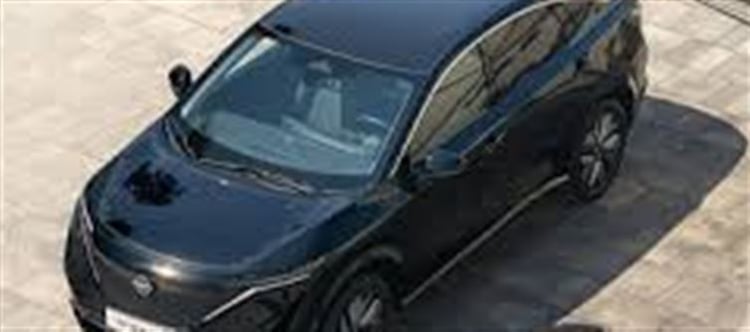

Nissan has revealed a forward‑looking concept of its all‑electric Ariya SUV that harnesses sunshine to generate power — offering a glimpse into the future of sustainable electric mobility.
1. Ariya Goes Solar — Literally
Nissan introduced a solar‑powered Ariya concept that features high‑efficiency photovoltaic panels built into the hood, roof, and tailgate. These panels convert sunlight directly into electricity to help power the vehicle.
2. How Much Solar Power It Can Make
The solar array covers about 3.8 square meters and, under ideal conditions, can generate up to 23 km (about 14 miles) of extra range per day — reducing reliance on plug‑in charging.
3. Real‑World Testing Shows Promise
Testing in different cities showed varied results — for example:
- London: ~10 km per day
- New Delhi: ~18.9 km per day
- Dubai: ~21.2 km per day
These figures highlight how sunlight exposure affects solar energy gains.
4. Energy Use and Charging Impact
Even a two‑hour, 80 km drive in the sun can generate around 0.5 kWh of clean electricity — roughly equivalent to 3 km of zero‑emission range while driving.
5. Powered by Lightyear Tech
The solar panels and photovoltaic technology were developed in collaboration with Dutch solar specialist Lightyear, ensuring high efficiency and integration with Ariya’s EV architecture.
6. Designed for Everyday Use, Not Replacement
The system isn’t meant to fully replace conventional charging but can significantly supplement battery power, potentially reducing the frequency of plug‑in charging visits by 35–65 % based on driving patterns.
7. Clean Energy Day Showcase
Nissan chose Clean Energy Day 2026 to reveal the concept, underlining its commitment to sustainability and exploring renewable energy use in future electric vehicles.
8. What It Means for the EV Future
This concept shows how integrating solar tech into EVs could:
✅ Increase vehicle autonomy in sunny regions
✅ Lower running costs and charging dependency
✅ Push automakers toward renewable‑energy‑ready EV designs
By experimenting with solar power, nissan is signaling that sunlight could become a practical part of future EV energy strategies — especially in areas with limited charging infrastructure.
Disclaimer:
The views and opinions expressed in this article are those of the author and do not necessarily reflect the official policy or position of any agency, organization, employer, or company. All information provided is for general informational purposes only. While every effort has been made to ensure accuracy, we make no representations or warranties of any kind, express or implied, about the completeness, reliability, or suitability of the information contained herein. Readers are advised to verify facts and seek professional advice where necessary. Any reliance placed on such information is strictly at the reader’s own risk.
 click and follow Indiaherald WhatsApp channel