


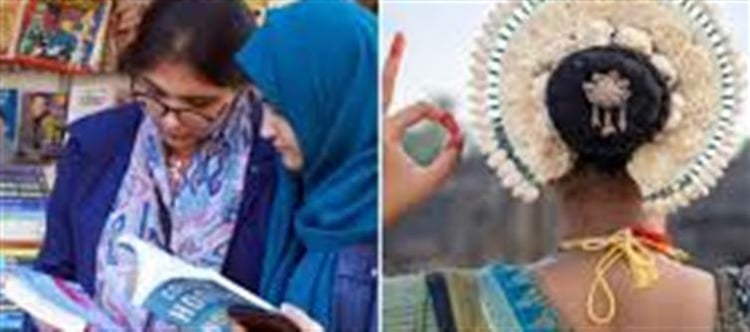

The National Literary Fest VANI 2026 — officially titled VANI – KARMA Sahitya Parv 2026 — is set to take place in New delhi on February 6, 2026. This one‑day national literary and cultural festival promises to be a vibrant celebration where literature, culture, storytelling, art, and meaningful dialogue come together under one roof.
📅 Event Overview
- Name: VANI – KARMA Sahitya Parv 2026
- Date & Time: February 6, 2026, from 10:00 AM to 6:00 PM
- Venue: Constitution Club of india, New Delhi
- Entry: Free (registration required)
- Organiser: KARMA Foundation
VANI‑2026 is envisioned as a thoughtful, curated experience where literature intersects with culture, contemporary life, and national identity — creating a space for reflection, creative exchange, and community building.
✨ What the festival Aims to Highlight
📖 Sahitya (Literature)
The festival places literature at its core — honoring the power of words and storytelling across languages and genres. Through conversations, book talks, and live readings, it seeks to reinforce the role of literary expression in shaping society and cultural identity.
🎭 Sanskriti (Culture)
Beyond texts, vani emphasizes cultural performances and artistic expression, bringing dance, music, and live storytelling into the conversation. This celebration of culture reflects India’s civilizational heritage and creative diversity — encouraging attendees to engage with art forms that continue to define cultural memory and expression.
💡 Ideas & Dialogue
The festival is designed to be more than entertainment: it’s a platform for ideas that matter. Dialogues, panel discussions, and curated conversations aim to examine contemporary issues, creativity in modern india, and the ties between literature, society, and nation‑building.
🎤 Program Highlights
While the detailed lineup of speakers and guests for 2026 may still be updated closer to the event, the festival structure typically includes:
- Thought‑provoking conversations with writers, poets, scholars, and thinkers
- Book discussions & panel sessions exploring contemporary cultural and literary topics
- Live cultural performances blending music, dance, and spoken word
- Youth voices & creative expressions showcasing emerging talent
- Spaces for audience engagement — from Q&A forums to interactive dialogue sessions
This combination of literary and cultural content makes vani a festival of ideas and expression, connecting creators with a diverse audience from across India.
🌍 Context in India’s Literary Ecosystem
VANI 2026 joins other major literary celebrations happening across india in 2026 — such as the New delhi World Book Fair, which drew millions of visitors and highlighted reading culture and literary exchange in the capital earlier this year.
India’s literary festival scene — including regional and national events — continues to grow, promoting creative dialogue, multilingual expression, and cultural engagement across generations. VANI’s emphasis on sahitya (literature), sanskriti (culture), and seva (service/engagement) situates it as a unique and meaningful addition to this growing landscape.
📌 Why VANI 2026 Matters
- Cultural Dialogue: It brings together writers, artists, and audiences to share ideas beyond mainstream entertainment.
- Public Engagement: Free entry and open discussions lower barriers for students, readers, and creators to participate.
- Celebration of Identity: By foregrounding literature and culture, the festival contributes to ongoing conversations about national heritage, contemporary expression, and creative citizenship.
- Youth & Creativity: Platforms like “Voices of Bharat” encourage young creators to engage meaningfully with literary and cultural expression.
🗣️ In Summary
The National Literary Fest VANI 2026 is more than an event — it’s a cultural moment in Delhi that celebrates the enduring influence of literature, art, and ideas in India. With a program that blends thought, performance, and dialogue, vani seeks to unite diverse voices and perspectives, making it a noteworthy highlight of India’s 2026 literary calendar.
Disclaimer:
The views and opinions expressed in this article are those of the author and do not necessarily reflect the official policy or position of any agency, organization, employer, or company. All information provided is for general informational purposes only. While every effort has been made to ensure accuracy, we make no representations or warranties of any kind, express or implied, about the completeness, reliability, or suitability of the information contained herein. Readers are advised to verify facts and seek professional advice where necessary. Any reliance placed on such information is strictly at the reader’s own risk.
 click and follow Indiaherald WhatsApp channel