


SOMETHING UNUSUAL IS HAPPENING
Japan isn’t a country known for mass protests. It’s known for discipline, structure, and quiet resilience. That’s exactly why what’s happening right now feels so different. When people who usually stay within the system decide to step out of it — all at once — it’s not random. It’s a signal.
1. A Rare Nationwide Pushback
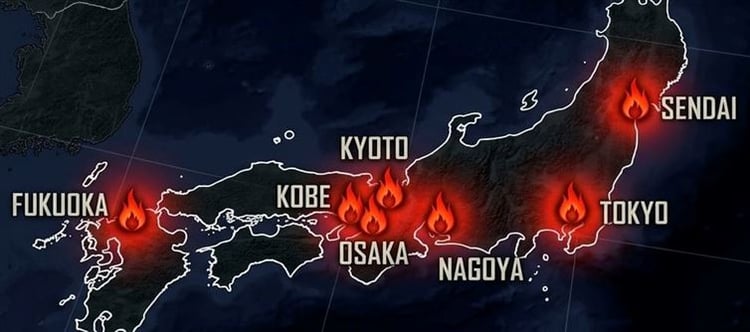
Workers across major cities — Tokyo, Osaka, Nagoya — have taken to the streets simultaneously. Not isolated gatherings. Not fringe movements. A coordinated wave across the country, something japan rarely sees.
2. The Real Trigger: Everyday Economics
This isn’t about distant policy debates. It’s about something far more immediate — take-home pay, rising costs, and a growing sense that incomes aren’t keeping up with reality. For many, the numbers simply don’t add up anymore.
3. Why This Feels Different From the Past
Japan has seen protests before, most notably in 1960 during debates over international agreements. But this moment hits closer to home. It’s not about geopolitics — it’s about daily life, personal finances, and long-term security.
4. A Growing Sense of Frustration
There’s also unease around labor dynamics and demographic shifts, with discussions about workforce shortages and foreign labor adding another layer to public sentiment. It’s a complex mix — economic pressure, policy concerns, and uncertainty about the future.
5. The Silence Beyond the Streets
Despite the scale, global attention has been limited. Outside observers are only beginning to notice, and coverage remains uneven. That gap between what’s happening and what’s being seen adds to the tension.
BOTTOM LINE
This isn’t just about protests — it’s about a shift in mood. When a society known for stability starts showing visible strain, it’s worth paying attention. Because moments like this don’t just appear — they build over time, and when they surface, they usually mean something deeper is changing.
 click and follow Indiaherald WhatsApp channel