


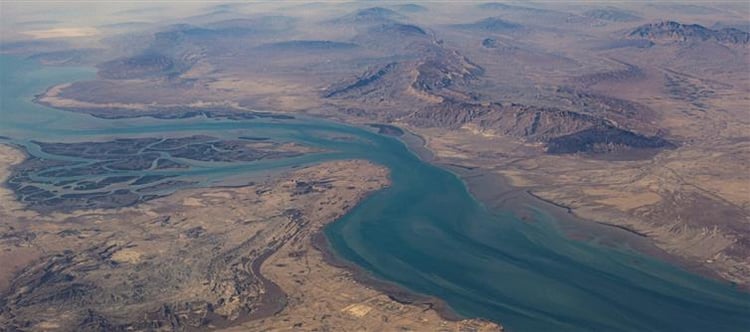

Hold your breath, because the Strait of Hormuz isn't just a narrow waterway—it's the world's economic lifeline, and if iran flips the switch to close it, we're talking total pandemonium that could make the worst recessions look like a hiccup. Picture this: a chokepoint only 21 miles wide at its skinniest, carrying 20% of global oil and nearly all of Qatar's LNG, suddenly turned into a minefield of death and disruption.
Iran's got the tools—sea mines, artillery, missiles—to make it happen in hours, freezing tankers, detonating supply chains, and jacking up prices to insane levels like $150 oil barrels and $10 gas per gallon. This isn't sci-fi; it's a real geopolitical grenade that could hold the planet hostage, sparking wars and economic scars that last for weeks or longer. Let's dive into the brutal fallout, point by heart-stopping point, because ignoring this powder keg won't save you from the blast.
Iran's got the tools—sea mines, artillery, missiles—to make it happen in hours, freezing tankers, detonating supply chains, and jacking up prices to insane levels like $150 oil barrels and $10 gas per gallon. This isn't sci-fi; it's a real geopolitical grenade that could hold the planet hostage, sparking wars and economic scars that last for weeks or longer. Let's dive into the brutal fallout, point by heart-stopping point, because ignoring this powder keg won't save you from the blast.
- Instant Economic Armageddon: Trillions Vanish as oil Prices Explode to $150 a Barrel
Boom—right off the bat, closing Hormuz wipes trillions off global markets in days. We're talking oil doubling or tripling overnight, hitting $150 a barrel easily, because 20% of the world's seaborne crude gets bottled up. No more cheap fuel for factories, trucks, or planes; everything grinds to a halt. It's not just numbers—it's your grocery bill ballooning, airlines grounding flights, and economies like China's and Europe's screaming in pain. Iran's smart control over this jugular vein turns a regional spat into a worldwide wallet killer. - Gas Pump Genocide: $10 a Gallon and Supply Chains Freezing in Minutes
Imagine filling up your tank at $10 a gallon— that's the nightmare if Hormuz shuts down. With massive tankers idling or rerouting around Africa, shipping costs skyrocket, adding weeks and fuel burn to every journey. Supply chains freeze within minutes: no oil means no plastics, no chemicals, no nothing that keeps modern life humming. Detonations from mines or missiles could vanish entire shipments, leaving shelves empty and inflation raging. It's savage how one strait chokes the planet's pulse, turning everyday essentials into luxuries. - Tanker Terror: sea Mines and Artillery Turning Ships into Floating Coffins
Iran's playbook is ruthless—deploy sea mines, roll out artillery on the shores, and unleash missiles on any tanker that dares cross. In just 26 hours, they could litter the 21-mile-wide pinch point with explosives, making passage a suicide run. We've seen the simulations: explosions ripping through hulls, oil spills poisoning the Gulf, and rescue ops turning into war zones. This isn't bluffing; it's a lethal trap that forces fleets to turn tail, stranding billions in cargo and proving Iran's military muscle can hold the high seas hostage without firing a shot at land. - Global Hostage Crisis: iran Holds the World by the Throat, But at What Cost?
Here's the twisted genius—Iran becomes the ultimate world hostage-taker, using Hormuz to demand concessions or just wreak havoc. But the payoff? It cuts both ways: iran loses its own oil exports and imports like food, starving its people, while the regime clings to power. Still, for weeks, the military lockdown could scar economies everywhere, from US pumps to Asian factories. It's a brutal gamble where Iran's defiance turns a narrow strait into a noose around global necks, forcing superpowers to decide: intervene and risk war, or watch the chaos unfold. - War Drums Beating: US and Allies Forced into a Bloody Reopening Battle
If Hormuz closes, expect the US and buddies like saudi arabia to charge in with everything they've got—carriers, subs, airstrikes—to blast it open. But Iran's got home-field advantage: islands rigged with anti-ship gear, fast boats swarming like hornets. This isn't a quick win; it's a grinding war that could drag on for weeks, spilling into proxy fights across the Gulf. The economic scars? Permanent, with trillions lost in the crossfire. It's savage how one closure ignites a powder keg, turning geopolitics into all-out hell. - LNG Lethal Blow: Qatar's Exports Die, Heating Homes and Powering Plants Go Dark
Forget oil—Hormuz handles 100% of Qatar's LNG, the gas that heats homes and fires up power plants worldwide. Close it, and europe shivers, japan blacks out, and industries from steel to fertilizer collapse. Prices are lethal, supply vanishing—it's a chain reaction where one detonation ripples to your electric bill, tripling. Iran's move isn't just about crude; it's a full-spectrum assault on energy security, exposing how dependent the world is on this tiny, vulnerable vein. - The Stay-Out Warning: Why Poking This Bear Means No Winners, Only Scars
Bottom line? If iran actually pulls this, it's not winning a war—it's scarring the planet for the regime's survival. economics isn't about battles; it's the silent killer that outlasts bombs. With supply chains crippled, prices at $150 oil and $10 gas, and wars brewing, the message is clear: world powers should stay out, or risk a catastrophe that reshapes everything. This hypothetical isn't far-fetched; it's a ticking bomb under the global economy, and Iran's finger is on the button. Wake up before it's too late.
 click and follow Indiaherald WhatsApp channel