



In geopolitics, pressure is supposed to corner your opponent. But sometimes, it does the exact opposite—it forces them to adapt, improvise, and strike back in ways no one anticipated. That’s exactly the narrative now gaining traction around Iran’s latest oil move.
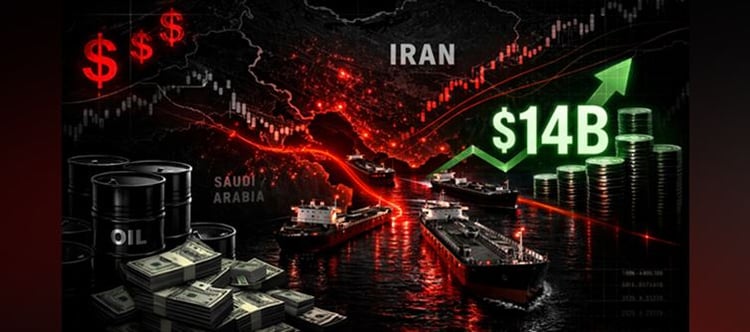
Before tensions escalated, iran reportedly had massive volumes of crude—millions of barrels—already loaded onto tankers and waiting in Asian waters. The problem? Buyers. Sanctions had made those barrels difficult to sell, effectively freezing billions of dollars in potential revenue.
Then everything changed.
As conflict risks surged and the Strait of Hormuz became unstable, global oil markets reacted instantly. Prices shot up. Supply fears kicked in. And suddenly, the same oil that was sitting idle became incredibly valuable.
Here’s where the story sharpens. With pressure mounting and markets tightening, restrictions began to loosen. What was previously blocked started finding pathways. Buyers reappeared. Transactions moved.
And just like that, inventory turned into income.
The claim making rounds is staggering: roughly $14 billion generated in a matter of days. Whether that number is exact or not, the underlying point is what’s driving debate—did sanctions end up amplifying the very leverage they were meant to suppress?
Because this isn’t just about oil. It’s about timing, positioning, and understanding how global systems react under stress. iran didn’t suddenly create a new supply. It simply waited—until the conditions flipped in its favor.
For critics of U.S. strategy, this looks like a miscalculation. For others, it’s an example of how unpredictable markets can override even the most aggressive policies.
Either way, one thing is clear: in a high-stakes standoff, power isn’t just about force.
Sometimes, it’s about who plays the long game better.
 click and follow Indiaherald WhatsApp channel