


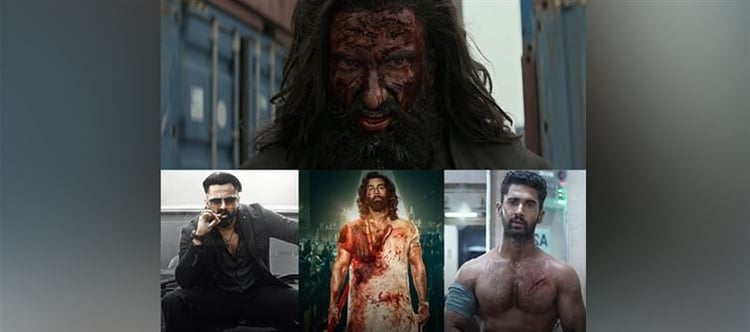

The violence on screen is getting louder, darker, and more graphic—but what’s happening inside young minds watching it? As films like Dhurandhar, Animal, and Kill push boundaries, psychiatrists are raising an uncomfortable question: are we just entertaining teens… or quietly reshaping how they see the world?
📌 THE STORY — BROKEN DOWN
Recent incidents have added urgency to the debate.
In Lucknow, a man allegedly created a scene at a theatre after his minor son was denied entry to an A-rated film, insisting the boy was “mature enough.” It reflects a growing mindset—one where age ratings are treated as suggestions, not safeguards. Add OTT platforms into the mix, where access is virtually unrestricted at home, and exposure becomes constant.
But the concern runs deeper than access.
Psychiatrists point out that while the law considers 18 as adulthood, the brain tells a different story. The prefrontal cortex—responsible for impulse control and decision-making—is still developing well into the mid-20s. Meanwhile, the amygdala, which processes emotions and threats, is already highly active.
That imbalance matters.
It means teens and young adults may understand what they’re watching intellectually, but emotionally, they’re still learning how to regulate reactions. This “maturity gap” makes them more vulnerable to impulsivity, peer influence, and sensation-seeking behaviour.
And then comes repetition.
Exposure to violent content over time doesn’t just shock—it normalises. Experts warn of “emotional desensitisation,” where repeated scenes of brutality reduce sensitivity to pain and suffering. Violence stops feeling disturbing. It starts feeling routine.
For some, it goes further.
Young people already dealing with stress, isolation, or trauma may internalise these narratives differently. Instead of seeing violence as fiction, they may begin to view it as a valid response to conflict.
⚡ THE REAL ISSUE
The risk isn’t that films instantly turn viewers violent.
It’s subtler—and more dangerous.
It’s the slow shift in what feels acceptable. The quiet erosion of empathy. The glamorisation of aggression without consequence.
The solution, experts say, isn’t blanket censorship—but awareness. Teaching young viewers to question what they watch, to separate storytelling from reality, and to understand the consequences often missing on screen.
Because the real battle isn’t on screen.
It’s in how those images stay long after the credits roll.
 click and follow Indiaherald WhatsApp channel