


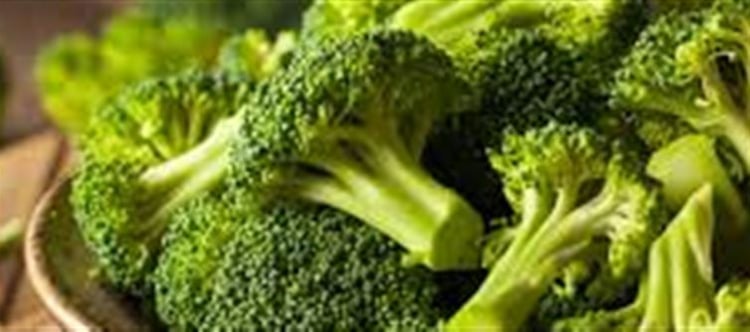

Broccoli is more than just a green vegetable—it is a nutrient-rich superfood that supports overall health, from heart function to cancer prevention.
Origin of the Name
The word “broccoli” comes from the Italian word “broccolo,” which refers to the flowering top of a cabbage. Its name reflects its long history in Mediterranean cuisine.
Key Nutritional Benefits
Broccoli is packed with nutrients that benefit your body in multiple ways:
- Supports Muscle Growth: High in protein and essential vitamins that aid muscle development.
- Rich in Antioxidants: Helps protect cells from damage and reduces inflammation.
- Heart Health: Contains fiber, potassium, and antioxidants that support cardiovascular function.
- Cancer Prevention: Compounds like sulforaphane may help prevent certain types of cancer by detoxifying harmful substances in the body.
How to Include Broccoli in Your Diet
- Steamed or lightly sautéed: Preserves most nutrients
- Raw in salads: Keeps enzymes intact for maximum health benefits
- Soups and stir-fries: Easy way to add broccoli to everyday meals
Tip: Avoid overcooking, as it can reduce some of the beneficial nutrients.
Conclusion
From boosting muscle growth to protecting your heart and potentially reducing cancer risk, broccoli is a versatile vegetable with immense nutritional value. Adding it regularly to your diet is a simple step toward long-term health and vitality.
Disclaimer:
The views and opinions expressed in this article are those of the author and do not necessarily reflect the official policy or position of any agency, organization, employer, or company. All information provided is for general informational purposes only. While every effort has been made to ensure accuracy, we make no representations or warranties of any kind, express or implied, about the completeness, reliability, or suitability of the information contained herein. Readers are advised to verify facts and seek professional advice where necessary. Any reliance placed on such information is strictly at the reader’s own risk.
 click and follow Indiaherald WhatsApp channel