


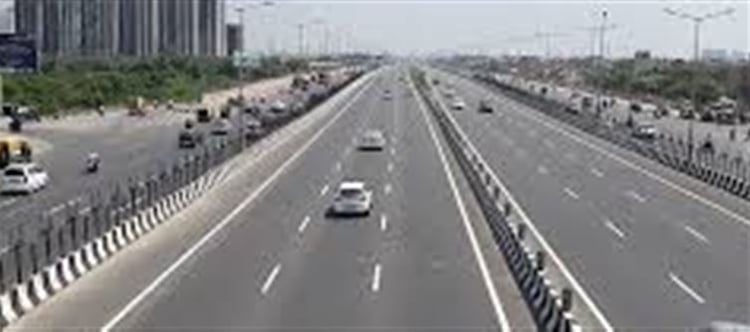

India’s much‑anticipated Delhi–Dehradun Expressway, a major greenfield road project designed to cut travel time dramatically between delhi and Dehradun, is close to inauguration. The expressway will eventually reduce what used to be a 5–6‑hour journey to around 2–2.5 hours, thanks to its access‑controlled high‑speed design spanning about 210 km.
However, several key auxiliary facilities — especially parking hubs, rest areas with toilets, food courts and EV charging stations — are not yet fully completed even as the main road nears ready‑to‑open status.
🚗 Why Parking and Rest Areas Are Important
1. Essential for Long‑Distance Travel Comfort
Long expressway journeys can be tiring for drivers and passengers, especially on routes that take several hours. Rest areas and parking zones provide a safe place for travellers to stop, stretch, eat, use facilities, or rest briefly — essential for reducing fatigue‑related accidents.
2. Safety and Emergency Needs
Well‑designed parking and rest areas act as safe spots during emergencies — such as sudden health issues, vehicle breakdowns, or bad weather. Having well‑spaced stops encourages drivers to pull over safely rather than halt on shoulders, which can be hazardous on high‑speed roads.
3. EV and Modern Mobility Requirements
With electric vehicles (EVs) becoming more common, expressway journeys now also require charging infrastructure at rest points. Incomplete EV charging facilities can discourage EV users or lead to range‑anxiety, even if the road itself is ready.
4. Expected Traveller Experience
As the expressway aims to promote tourism, regional travel and economic connectivity between delhi, Uttar Pradesh and Uttarakhand, offering amenities — from clean restrooms to food stalls — improves the overall travel experience and encourages more people to use the corridor.
🕐 What This Means for Travellers at Launch
Even if the main expressway opens soon, missing or partially completed parking and rest infrastructure could mean:
- Travellers may need to plan stops on alternate roads or towns outside the expressway corridor.
- Long‑distance EV users might initially have limited charging access, affecting journey planning.
- Authorities may phase the opening of amenities — road open first, followed by rest‑facility rollouts.
Officials and highway planners usually complete such facilities even after the main roadway is inaugurated, so full functionality could arrive in the weeks or months after the launch.
📌 Bottom Line
The Delhi–Dehradun Greenfield Expressway is nearly ready to transform travel in northern India, but auxiliary roadside infrastructure like parking and rest areas is still catching up. These facilities play a crucial role in safety, comfort, and convenience for long journeys — especially for EV users and families — and authorities are expected to complete them soon after the expressway opens to the public.
Disclaimer:
The views and opinions expressed in this article are those of the author and do not necessarily reflect the official policy or position of any agency, organization, employer, or company. All information provided is for general informational purposes only. While every effort has been made to ensure accuracy, we make no representations or warranties of any kind, express or implied, about the completeness, reliability, or suitability of the information contained herein. Readers are advised to verify facts and seek professional advice where necessary. Any reliance placed on such information is strictly at the reader’s own risk.
 click and follow Indiaherald WhatsApp channel