


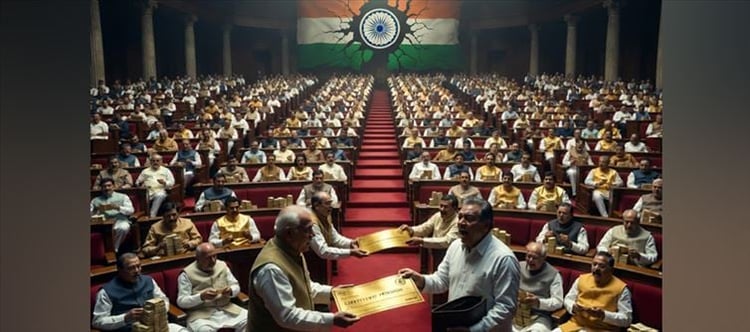

Expanding the lok sabha to 850 seats sounds, at first, like a bold step toward better representation. More MPs, more voices, more democracy—right? But beneath that headline lies a more complicated conversation, one that mixes governance, accountability, and public spending. Because when the house grows, so does everything that comes with it.
The Big Proposal
The plan envisions a lok sabha with 850 members—815 representing states and 35 from Union Territories. On paper, it’s a significant structural shift.
Representation vs Scale
More seats could mean more localized representation, giving smaller regions a stronger voice in national decision-making.The Cost Question
Every mp comes with expenses—salary, allowances, staff, infrastructure, and long-term benefits. Scaling up to 850 inevitably raises the financial footprint.Pensions and Public Funds
Former MPs are entitled to pensions funded by taxpayers. With a larger pool of representatives over time, that long-term obligation grows.Accountability Debate
Critics argue that expansion should go hand-in-hand with stricter performance and ethical standards, especially when public money is involved.Criminal Charges Concern
A recurring criticism of indian politics is the presence of elected representatives facing criminal cases. Expansion doesn’t automatically resolve that issue.Quantity vs Quality
The underlying question persists: does increasing the number of MPs improve governance, or does it risk diluting accountability?Democracy’s Trade-Off
Representation is essential—but so is efficiency, transparency, and trust. Balancing these elements is where the real challenge lies.
Bottom Line:
An 850-member lok sabha could reshape indian democracy—but the real debate isn’t just about numbers. It’s about whether expansion strengthens the system, or simply makes its existing challenges bigger.
 click and follow Indiaherald WhatsApp channel