


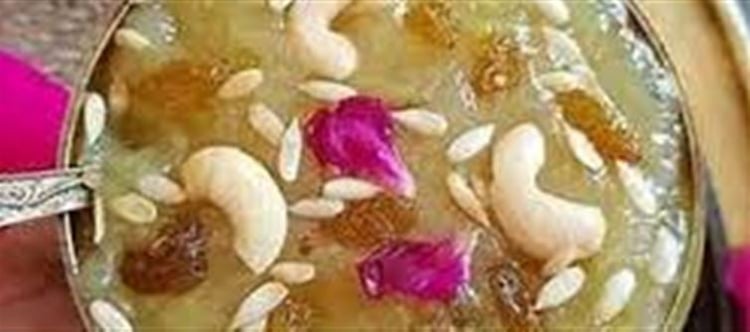

Kheer, a beloved indian dessert, has long been celebrated for its creamy texture, rich sweetness, and aromatic flavor. Traditionally made with milk, rice, sugar, and aromatic spices like cardamom and saffron, kheer is a staple at festivals, celebrations, and special occasions. But for culinary adventurers seeking a unique twist, garlic kheer offers a surprising and delightful variation. Combining the subtle warmth of garlic with the creaminess of traditional kheer, this dessert is both nutritious and indulgent.
This article explores the recipe, benefits, and tips for making garlic kheer—a dessert that blends tradition with innovation.
1. Why garlic in Kheer?
Nutritional Benefits
Garlic is renowned for its antioxidant, anti-inflammatory, and immunity-boosting properties.
Rich in vitamins like B6 and C, along with minerals such as manganese and selenium, garlic contributes to overall health.
In combination with milk, garlic kheer becomes a nutritious dessert that supports heart health, digestion, and immunity.
Flavor Profile
When cooked in milk with sugar and aromatic spices, garlic develops a mellow, slightly nutty flavor.
Blended with cardamom or saffron, it creates a sweet-savory balance that surprises the palate.
2. Ingredients Needed
For the garlic Kheer:
4–5 cloves of garlic, peeled and finely chopped
1 liter full-fat milk
½ cup sugar (adjust to taste)
2 tbsp rice or vermicelli (optional for texture)
3–4 green cardamom pods, crushed
A pinch of saffron strands (optional)
2 tbsp chopped nuts (cashews, almonds, pistachios)
1 tsp ghee
3. Step-by-Step Preparation
Step 1: Prepare Garlic
Lightly crush the garlic cloves to release their aroma.
Sauté garlic in 1 tsp ghee on low heat until slightly golden but not burnt.
Step 2: Boil Milk
In a heavy-bottomed pan, bring milk to a gentle boil.
Reduce heat to simmer and stir occasionally to prevent sticking.
Step 3: Cook Rice or Vermicelli
If using, add washed rice or roasted vermicelli to the simmering milk.
Cook until soft and integrated into the milk.
Step 4: Add garlic and Flavorings
Add the sautéed garlic to the milk.
Stir in crushed cardamom, saffron strands, and sugar.
Simmer on low heat for 10–15 minutes, allowing the flavors to meld.
Step 5: Garnish
Turn off the heat and add chopped nuts for texture and richness.
Optionally drizzle a tiny bit of ghee for aroma.
Step 6: Serve
Serve warm for a comforting dessert or chilled for a refreshing treat.
4. Tips for Perfect garlic Kheer
Balance Flavors: garlic should enhance, not overpower. Light sautéing and careful quantity control are key.
Use Full-Fat Milk: Ensures creamy consistency and rich taste.
Gentle Heat: Slow cooking helps milk thicken without curdling.
Optional Sweetness Adjustments: Depending on taste, you can reduce sugar and let garlic’s natural sweetness shine.
Texture Variations: Add rice, vermicelli, or even small tapioca pearls for a unique twist.
5. Why Try garlic Kheer?
Nutritious Dessert: Combines immune-boosting garlic with protein-rich milk.
Unique Flavor: A fusion of sweet and slightly savory that delights adventurous palates.
Cultural Innovation: Retains the essence of traditional kheer while introducing a modern twist.
Digestive Benefits: garlic aids digestion and helps soothe the stomach.
6. Serving Suggestions
Serve in small bowls garnished with nuts and saffron strands for festive presentation.
Pair with mild indian snacks or tea to create a balanced snack-time menu.
Can be enjoyed warm on winter evenings or chilled in summers for a cooling dessert.
7. Conclusion
Garlic kheer is a remarkable innovation on a traditional dessert, combining the best of both worlds: the creamy sweetness of classic kheer and the subtle warmth of garlic. It is perfect for those seeking a healthy, flavorful, and unique dessert experience.
Whether you are hosting a festival, family gathering, or simply experimenting in the kitchen, garlic kheer adds a surprising yet delightful twist to your dessert repertoire.
By embracing creativity in traditional recipes, you not only enjoy delicious flavors but also unlock nutritional benefits that standard desserts often lack.
Disclaimer:
The views and opinions expressed in this article are those of the author and do not necessarily reflect the official policy or position of any agency, organization, employer, or company. All information provided is for general informational purposes only. While every effort has been made to ensure accuracy, we make no representations or warranties of any kind, express or implied, about the completeness, reliability, or suitability of the information contained herein. Readers are advised to verify facts and seek professional advice where necessary. Any reliance placed on such information is strictly at the reader’s own risk.
 click and follow Indiaherald WhatsApp channel