
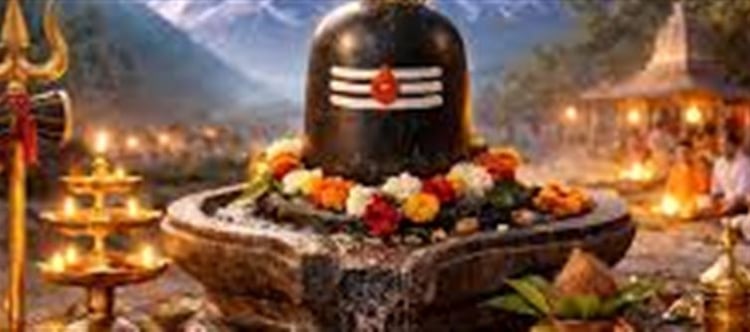


Hindu devotees observe Shivratri and Maha Shivratri to honor Lord Shiva, but these two festivals differ in terms of importance, rituals, and timing. Understanding the distinctions helps devotees participate meaningfully in the celebrations.
What is Shivratri?
- Shivratri literally means “Night of Shiva”
- Observed every month on the 14th night of the krishna Paksha (waning moon) in the Hindu lunar calendar
- A day for fasting, meditation, and prayer to Lord Shiva
- Devotees offer milk, fruits, and bilva leaves to shiva Lingam
- Symbolizes overcoming darkness and ignorance through spiritual practice
What is maha Shivratri?
- Maha Shivratri means “The Great Night of Shiva”
- Celebrated once a year during the Hindu month of Phalguna or Magha (depending on regional calendars)
- The 2026 date: February 17, 2026
- Marks Lord Shiva’s cosmic dance (Tandava) and marriage to Goddess Parvati
- Considered the most auspicious Shivratri of the year, drawing millions of devotees to temples across India
Key Differences Between Shivratri and maha Shivratri
Feature
Shivratri
Maha Shivratri
Frequency
Every month (monthly observance)
Once a year
Significance
Spiritual cleansing and worship of Shiva
Cosmic event; marks Shiva-Parvati union & spiritual awakening
Date
14th night of krishna Paksha each month
February 17, 2026 (for 2026)
Rituals
Fasting, prayers, and shiva Lingam worship
Night-long vigil, fasting, prayers, temple visits, and chanting of mantras
Popularity
Observed by devout individuals
Celebrated widely; large-scale public observances and fairs
Spiritual Importance
Personal spiritual growth
Highest spiritual significance; believed to absolve sins and grant liberation
How maha shivratri is Celebrated
- Fasting: Devotees fast the entire day and night
- Night Vigil (Jagran): Staying awake all night while chanting Om Namah Shivaya
- Shiva Lingam Abhishekam: Offering milk, honey, and water to the shiva Lingam
- Temple Visits: Thousands throng shiva temples for special rituals
- Meditation and Prayer: Focus on self-discipline, spiritual awakening, and inner reflection
Spiritual Significance
- Shivratri (monthly) helps in personal spiritual growth and cleansing
- Maha Shivratri is believed to:
- Remove past sins
- Bring peace, prosperity, and spiritual upliftment
- Strengthen devotion and discipline
- Promote inner awakening and connection with Lord Shiva
Conclusion
While Shivratri is a monthly spiritual observance, Maha Shivratri is the grand annual celebration with immense religious significance. In 2026, maha shivratri falls on February 17, offering devotees a chance to engage in night-long prayers, fasting, and worship to seek Lord Shiva’s blessings. Both festivals celebrate the power, wisdom, and benevolence of Shiva, but maha shivratri holds a unique and heightened spiritual importance.
Disclaimer:
The views and opinions expressed in this article are those of the author and do not necessarily reflect the official policy or position of any agency, organization, employer, or company. All information provided is for general informational purposes only. While every effort has been made to ensure accuracy, we make no representations or warranties of any kind, express or implied, about the completeness, reliability, or suitability of the information contained herein. Readers are advised to verify facts and seek professional advice where necessary. Any reliance placed on such information is strictly at the reader’s own risk.
 click and follow Indiaherald WhatsApp channel