


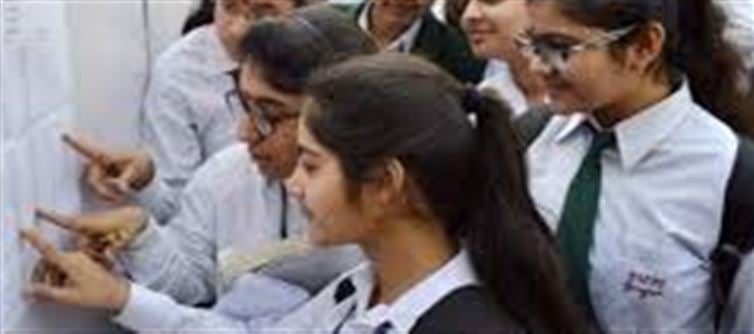

The Central Board of Secondary education (CBSE) has released new Standard Operating Procedures (SOPs) and guidelines for practical exams, projects, and internal assessments for Classes 10 and 12. These measures are aimed at ensuring uniformity, fairness, and safety across all schools affiliated with CBSE.
1. Key Highlights of the New Guidelines
a) Conduct of Practical Exams
· Schools must conduct practical exams in a structured and transparent manner.
· students should be assessed individually based on predefined criteria.
· Internal examiners and external moderators may be assigned to ensure impartiality.
b) Projects and Assignments
· students must submit project work or assignments on time.
· Schools must verify authenticity and ensure students complete work independently.
· Evaluation should follow rubrics provided by CBSE to maintain consistency.
c) Safety and COVID-19 Protocols (if applicable)
· Schools should maintain hygiene in labs and classrooms.
· Social distancing and sanitization protocols must be followed where necessary.
d) Record-Keeping
· Schools are required to maintain detailed records of practical exams, internal assessments, and marks awarded.
· Records may be audited or inspected by CBSE officials.
2. Strict Instructions to Schools
· Schools must adhere strictly to the CBSE guidelines.
· Any deviation or malpractice in conducting practicals may lead to penalties or disciplinary action.
· teachers must ensure fair evaluation and avoid any bias.
3. Impact on Students
· Ensures uniform assessment across all CBSE-affiliated schools.
· Helps maintain transparency and credibility in grading.
· Reduces chances of discrepancies or disputes regarding marks for practical exams and internal assessments.
Conclusion:
CBSE’s new guidelines for practical exams, projects, and internal assessments are a step towards fair, transparent, and standardized evaluation for Classes 10 and 12. Schools must follow these instructions strictly, while students should ensure timely submission of projects and preparations for practical exams to avoid last-minute issues.
Disclaimer:
The views and opinions expressed in this article are those of the author and do not necessarily reflect the official policy or position of any agency, organization, employer, or company. All information provided is for general informational purposes only. While every effort has been made to ensure accuracy, we make no representations or warranties of any kind, express or implied, about the completeness, reliability, or suitability of the information contained herein. Readers are advised to verify facts and seek professional advice where necessary. Any reliance placed on such information is strictly at the reader’s own risk..jpg)
 click and follow Indiaherald WhatsApp channel