



Why Cervical health Matters for Mothers
A mother’s health is central to the well-being of the entire family.
Women often prioritise others over themselves, leading to delayed health check-ups.
Cervical cancer is one of the most common cancers affecting women and can occur at a younger age.
Motherhood and routine gynecological visits provide an excellent opportunity for early screening.
Even opportunistic screening can significantly reduce the burden of cervical cancer.
What Is Cervical cancer and How Does It Develop?
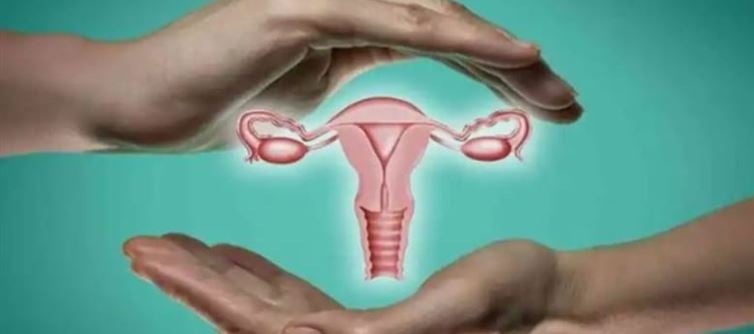
Cervical cancer begins in the cervix, the lower part or “mouth” of the uterus.
The main cause is Human Papillomavirus (HPV), a very common virus spread through skin-to-skin and sexual contact.
Most HPV infections clear on their own without causing harm.
Persistent HPV infection can lead to precancerous changes, which may progress to cancer over time.
This progression usually takes several years, offering a long window for early detection and treatment.
Screening Tests That Detect Cervical cancer Early
Pap Smear Test
Recommended for those 21 years of age.
Should be done every three years until age 65.
Detects early cellular changes caused by HPV before cancer develops.
HPV dna Test
Advised after 30 years of age.
Detects the presence of high-risk HPV infection.
If both Pap smear and HPV tests are negative, screening can be done once every five years.
These are simple, outpatient tests performed by a gynecologist.
HPV Vaccination: Protecting Today and Tomorrow
HPV vaccination is a powerful tool to prevent cervical cancer.
Recommended for children and young adults aged 9–26 years.
It can also be taken later after consulting a healthcare provider.
Mothers play a key role by ensuring vaccination for their children, safeguarding future generations.
Everyday Steps to Reduce Cervical cancer Risk
Attend regular cervical screening appointments.
Get vaccinated when eligible.
Treat cervical infections promptly.
Maintain good personal hygiene.
Spread awareness among family, friends, and colleagues.
Disclaimer:
The information contained in this article is for general informational purposes only. While we strive to ensure accuracy, we make no warranties or representations of any kind, express or implied, about the completeness, accuracy, reliability, suitability, or availability of the content. Any reliance you place on the information is strictly at your own risk. The views, opinions, or claims expressed in this article are those of the author and do not necessarily reflect the official policy or position of any organization mentioned. We disclaim any liability for any loss or damage arising directly or indirectly from the use of this article.
 click and follow Indiaherald WhatsApp channel