



The Silence That tamil Nadu Noticed
Since the results of the 2024 lok sabha elections, several major issues affecting tamil Nadu have dominated political discussions — from the education funds dispute with the Union government to the denial of metro rail approvals, the prolonged debate over the Hosur airport project, and the repeated controversies surrounding the state governor’s confrontational approach with the elected government.
These are not minor administrative disagreements. They are issues that touch governance, infrastructure, education, and federal relations — the very matters that directly shape the lives of millions of people in the state.
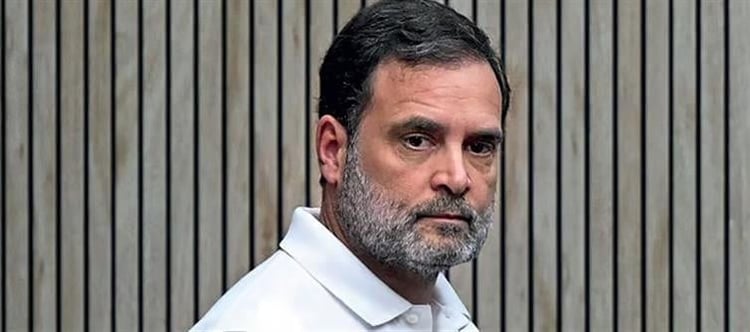
Yet through much of this period, one name many observers expected to hear louder was Rahul Gandhi.
For a leader whose party is part of the ruling alliance in tamil Nadu and who often positions himself as a defender of federalism and democracy, his voice was noticeably absent from most of these debates. While regional leaders and state ministers repeatedly raised concerns about these issues, the national leadership of the congress seemed largely disengaged from tamil Nadu’s ongoing political battles.
The Only Moment That Broke the Silence
Ironically, the moment when rahul Gandhi did publicly intervene in a tamil Nadu issue had little to do with governance or policy.
It was the controversy around the censorship of the tamil film Jananaayagan that drew his attention. The censorship debate sparked conversations about freedom of expression and artistic liberty — important issues, no doubt — but many critics found it striking that this was the one tamil Nadu-related matter that managed to attract his political voice.
For many political watchers in the state, the contrast was impossible to ignore. When it came to infrastructure, funding disputes, or federal tensions, silence prevailed. But a film controversy triggered a response.
That imbalance is precisely what has fuelled the current criticism.
The 41-Seat Question
Now comes the political twist.
Reports suggest that the congress is seeking 41 seats from the DMK alliance in the upcoming tamil Nadu elections.
And this is where the debate intensifies.
For many DMK supporters and political commentators, the question isn’t just about seat sharing — it’s about political contribution. Alliances, after all, are built on mutual strength and shared effort.
Critics argue that if a party expects such a substantial share of seats, it must also demonstrate a visible commitment to the state’s issues. Without that engagement, the demand can begin to look less like a partnership and more like an entitlement.
Did congress Earn Those Seats?
Even during the previous elections, Congress’s performance in tamil Nadu has often depended heavily on the strength of the DMK alliance rather than its own organisational machinery on the ground.
Which raises a blunt question now being asked across political circles:
If congress struggled to win many of its allotted seats before, why should it receive even more this time?
Some argue that the party should focus first on strengthening its grassroots presence in the state before negotiating aggressively for a larger share.
Others believe the DMK might be taking an unnecessary risk by allocating too many constituencies to a partner that may not convert them into victories.
The Risk for DMK
Seat sharing isn’t just arithmetic — it’s strategy.
Every constituency handed to an ally is a seat the leading party gives up the chance to contest itself. If those seats are lost, the cost is borne by the entire alliance.
That’s why critics say giving 28 seats — let alone 41 — could become a gamble if congress fails to translate them into wins.
The concern isn’t ideological; it’s purely political. Alliances survive on electoral efficiency.
And inefficient seat allocation can weaken even the strongest coalition.
The Bigger Political Question
At its core, this debate isn’t just about rahul Gandhi or Congress.
It’s about a larger expectation voters have from national leaders: if you seek influence in a state, you must also show up for its battles.
tamil Nadu politics is intensely regional, deeply issue-driven, and highly sensitive to questions of federal rights and state autonomy.
Any party that wants a meaningful role here must demonstrate that it is willing to stand up for the state when it matters most.
Because in politics, silence is rarely forgotten — especially when it is followed by demands for power.
 click and follow Indiaherald WhatsApp channel