
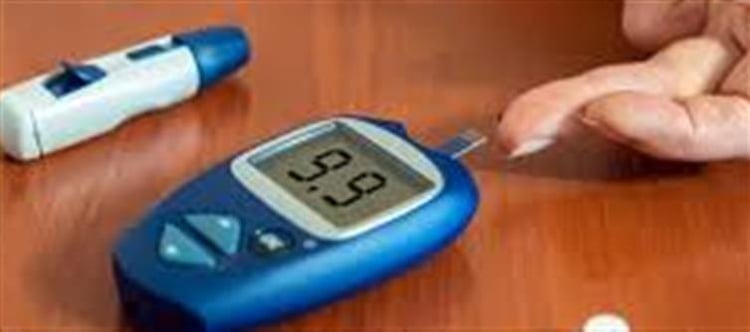


Managing blood sugar is the cornerstone of diabetes care. While medications help, small dietary tweaks can have a surprisingly big impact. Experts now suggest that what you eat before a meal can dramatically influence your blood sugar response.
The Pre-Meal Trick: Fiber-Rich Vegetables or Salad
· Eating a small serving of fiber-rich vegetables or a raw salad 10–15 minutes before your main meal can slow down glucose absorption.
· High-fiber foods like lettuce, spinach, cucumber, carrots, or tomatoes act like a buffer, preventing blood sugar from spiking sharply after eating.
How it works:
Fiber slows digestion and the release of sugar into the bloodstream, reducing post-meal glucose surges — sometimes by as much as 50%, according to research.
Other Pre-Meal Options That Help Control Blood Sugar
1. Apple Cider Vinegar: 1–2 tsp in water before meals may improve insulin sensitivity.
2. Nuts: A small handful of almonds or walnuts can blunt sugar spikes.
3. Protein Snacks: A boiled egg or a few slices of chicken can stabilize glucose when eaten before the main meal.
Additional Tips for Better Blood sugar Control
✔ Eat smaller, frequent meals instead of large portions.
✔ Include fiber, protein, and healthy fats in every meal.
✔ Limit refined carbs and sugary foods.
✔ Stay active after meals — even a 10–15 minute walk can significantly lower glucose levels.
Bottom line:
For people with diabetes or prediabetes, what you eat before your main meal can be as important as the meal itself. A simple pre-meal salad, some fiber, or a small protein snack can dramatically reduce blood sugar spikes and support long-term health.
Disclaimer:
The views and opinions expressed in this article are those of the author and do not necessarily reflect the official policy or position of any agency, organization, employer, or company. All information provided is for general informational purposes only. While every effort has been made to ensure accuracy, we make no representations or warranties of any kind, express or implied, about the completeness, reliability, or suitability of the information contained herein. Readers are advised to verify facts and seek professional advice where necessary. Any reliance placed on such information is strictly at the reader’s own risk.
 click and follow Indiaherald WhatsApp channel