
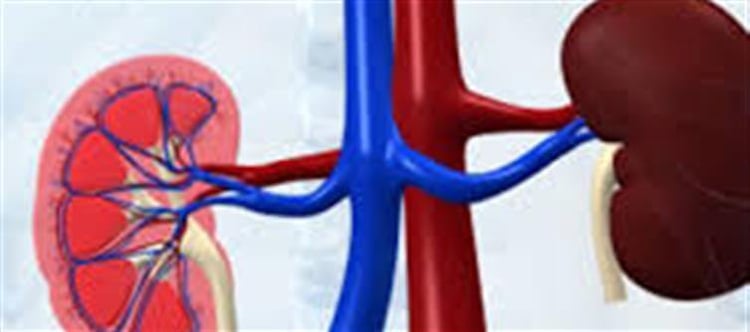


When your lab report shows high creatinine levels, it can be alarming. Many people immediately assume it means kidney damage, but the reality is more nuanced. Understanding what creatinine is and what influences its levels is key to knowing your kidney health.
What Is Creatinine?
· Creatinine is a waste product produced by muscles from the breakdown of creatine.
· Healthy kidneys filter creatinine from the blood into urine.
· High creatinine levels in the blood may indicate that the kidneys are not filtering efficiently, but it’s not always a sign of permanent damage.
Why Creatinine Levels Can Be High
1. Kidney Issues
· Chronic kidney disease (CKD) or acute kidney injury can reduce filtration, causing creatinine to rise.
2. Muscle mass and Activity
· people with high muscle mass or those who exercise intensely may naturally have higher creatinine.
3. Dehydration
· Lack of fluids can temporarily increase creatinine levels.
4. Certain Medications
· Some drugs, including NSAIDs, antibiotics, or chemotherapy drugs, can affect kidney filtration.
5. Diet
· High intake of red meat or creatine supplements can slightly raise creatinine levels.
When to Worry
· Persistent creatinine rise over time
· Other symptoms like swelling, fatigue, changes in urine, or high blood pressure
· Abnormal GFR (glomerular filtration rate) in lab tests
How to Support Kidney health Naturally
✔ Stay Hydrated – Drink adequate water unless restricted by your doctor
✔ Balanced Diet – Limit excess protein, salt, and processed foods
✔ Monitor blood pressure and Sugar – Both affect kidney function
✔ Regular Check-Ups – Early detection of kidney issues is crucial
✔ Avoid Overuse of Painkillers or Harsh Medications
Bottom line:
High creatinine doesn’t automatically mean kidney damage, but it is a signal to investigate further. Work with your doctor to identify the cause, and take steps to protect kidney function before serious damage occurs.
Disclaimer:
The views and opinions expressed in this article are those of the author and do not necessarily reflect the official policy or position of any agency, organization, employer, or company. All information provided is for general informational purposes only. While every effort has been made to ensure accuracy, we make no representations or warranties of any kind, express or implied, about the completeness, reliability, or suitability of the information contained herein. Readers are advised to verify facts and seek professional advice where necessary. Any reliance placed on such information is strictly at the reader’s own risk.
 click and follow Indiaherald WhatsApp channel