


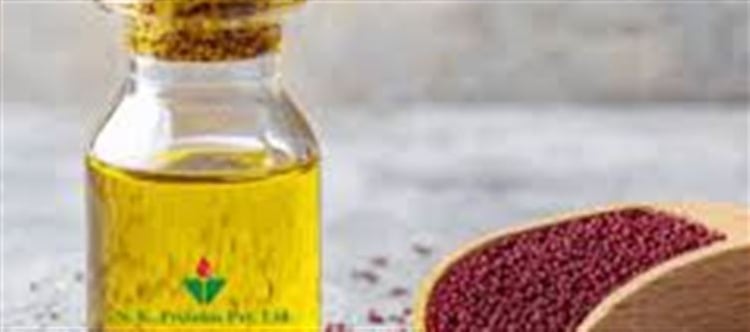

Rich in “Good” Fats
Mustard oil has a high content of monounsaturated fats (MUFA) and polyunsaturated fats (PUFA). These are considered heart-friendly because they help lower LDL (bad) cholesterol and increase HDL (good) cholesterol. According to Healthline, MUFAs are linked to reduced triglycerides, lower blood pressure, and better blood sugar regulation — all risk factors for heart disease.
Good Balance of Omega-3 and Omega-6
Mustard oil contains both omega-3 (alpha-linolenic acid) and omega-6 fatty acids.
Some experts highlight that its ratio of omega-6 to omega-3 is close to what’s considered optimal for heart health.
Anti-Inflammatory Properties
Mustard oil contains selenium and omega-3s, which are thought to reduce inflammation, a major contributor to cardiovascular disease.
Its natural compounds may also have antioxidant effects.
High Smoke Point
Mustard oil has a relatively high smoke point, meaning it remains more stable when used for high-heat cooking (like frying or sautéing) — this can help avoid the formation of harmful compounds.
By contrast, some olive oils (especially extra-virgin) have a lower smoke point, making them less ideal for certain cooking methods.
Evidence of Cardiovascular Benefit
Some studies (e.g., reported by Indian Express) suggest using mustard oil could reduce risk of coronary artery disease by a large margin.
Research cited in clinical settings points to improved blood fat levels and better cholesterol profiles in populations using mustard oil.
⚠️ What to Be Careful About
Erucic Acid Concern
Mustard oil naturally contains a compound called erucic acid, which has raised health concerns in very high amounts. Some regulatory bodies in certain countries limit its dietary use for this reason.
Moderation Matters
Even healthy oils are calorie-dense. Using mustard oil wisely—and not in excessive amounts—is key.
Not a Substitute for All Situations
Olive oil still has strong benefits, especially extra-virgin olive oil, thanks to its polyphenols and other antioxidants.
Choose Quality Oil
Use food-grade, cold-pressed (kacchi ghani) mustard oil for better nutrient retention and minimal processing.
✅ The Bottom Line
Mustard oil can be a healthy choice for heart health when used properly — especially in traditional-style cooking where its high smoke point is beneficial.
It’s not a “magic bullet,” but its fatty acid profile and additional compounds make it a very good option among healthy cooking oils.
Like any oil, it’s best used in moderation, and balanced with a nutritious overall diet.
Disclaimer:
The views and opinions expressed in this article are those of the author and do not necessarily reflect the official policy or position of any agency, organization, employer, or company. All information provided is for general informational purposes only. While every effort has been made to ensure accuracy, we make no representations or warranties of any kind, express or implied, about the completeness, reliability, or suitability of the information contained herein. Readers are advised to verify facts and seek professional advice where necessary. Any reliance placed on such information is strictly at the reader’s own risk.
 click and follow Indiaherald WhatsApp channel