Pushpa Telugu Movie Review, Rating
పుష్ప తెలుగు సినిమా రివ్యూ ,రేటింగ్
-
DMK Alliance Grows Stronger: New Party Joins the Fold – Who Is ‘Namamuk’ Jagannath Mishra?
-
OTT Updates: Must-Watch Movies on JioHotstar and ZEE5 This Week
-
Pongal Cash Prizes Ready for Beneficiaries in Tiruppur; 8 Lakh Ration Card Holders Celebrate Early
-
Chennai’s Besant Nagar Coastal Food Festival Extended Until December 28
-
ASHIKA RANGANATH IS DRESSING LIKE SHE’S ALREADY ARRIVED
-
WHEN COMEDY WASN’T A CRIME IN CONGRESS RULE - THE JOKE THAT WOULD GET YOU ARRESTED TODAY
-
PLA’s Jagannath Mishra Meets DMK Chief M.K. Stalin to Extend Support
-
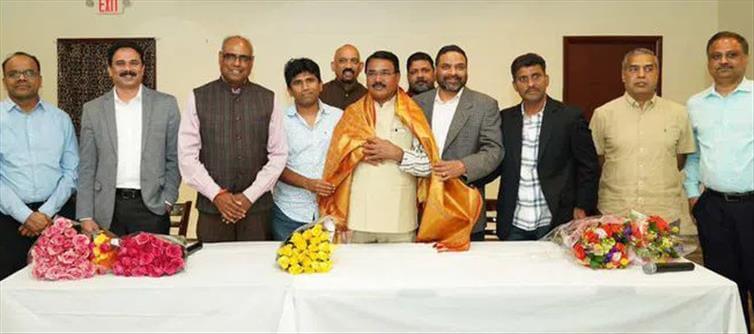
‘Towers Club’ Officials Meet Chief Minister M.K. Stalin in Person
-
DMK Leader to Announce Major Youth Wing Initiatives Soon; Southern Region Youth Leaders to Be Appointed in January
-
CM M.K. Stalin Highlights Numerous Schemes Uplifting Minority Communities During Christmas Celebration in Perambur
-
CM M.K. Stalin Provides ₹10 Lakh Compensation Each to Two Families Affected by Road Accidents
-
‘Dravidian Model’ of Governance to Continue, M.K. Stalin to Swear in as Chief Minister Again:
-
No NOC Required for Religious Buildings: Major Announcement by CM Stalin During Christmas Celebration
-
Pongal Cash Prizes: What the Public Needs to Know and What’s Happening at the Fort
-
Udhayanidhi Absent From Chief Minister Race, Says Minister S. Ragupathi
-
Tamil Nadu CM Stalin to Announce “Good News” for Government Employees by January 6: Minister Anbil Mahesh
-
Stalin Vows DMK Will Stand With Minorities — Message at Christmas Celebrations
-
US Expands Social Media Screening for H 1B Visa Applicants
-
CM M.K. Stalin Inaugurates 20 State-of-the-Art Luxury Air-Conditioned Buses Worth ₹34.30 Crore
-
DAISY RIDLEY’S ZOMBIE THRILLER REDEFINES HORROR - WATCH EXCLUSIVE CLIP
-
SIRAI MOVIE REVIEW - NOT A COP FILM. A CONSCIENCE FILM
-
BIG STARS, BAD TELEVISION: 2025’S WORST SHOWS EXPOSED
-
FROM BARBENHEIMER TO DUNESDAY — CINEMA’S NEXT CULTURAL EXPLOSION
-
WHY SAMANTHA SAID NO — WHEN A SEND-OFF MEETS A COLD SHOULDER
-
The Top Christmas Movies of 2025
-
How to Plan Your Christmas Weekend and Unlock Quick Getaways to India’s Best Festive Destinations
-
US Embassy, Consulates in India to Stay Closed Over Christmas;
-
Kerala Civic Body Builds Christmas Tree From Beer Bottles, Congress Objects
-
Christmas 2025 Gifts That Will Win Every Kid’s Heart: Parents, Take Notes
-
Hosting a Christmas Party at Home? Try These 10-Minute Frozen Snacks to Impress Your Guests
-
You Haven’t Experienced Christmas Until You’ve Visited These 5 Indian Cities
-
5 Easy Interior Decor Tips That Will Make Your Home Festive This Christmas
-
Got the Best Christmas Gifts? Top 20 Thank You Quotes That Make Gift-Givers Feel Extra Special
-
If Stress and Anxiety Are Draining You, These 6 Daily Tips Might Be the Reset You Need
-
Merry Christmas 2025: Best Last-Minute Gifts That Will Win Hearts This Holiday Season
-
Easy Doodh Soda Recipe: Make the Viral Dhurandhar Drink at Home in Just One Minute
-
Eating Healthy This Christmas Is Easier Than You Think;
-
Oppo Reno 15 Series India Launch Tipped for January 8: Expected Price and Key Specifications
-
Indian Railways to Add Extra Coach to These Trains From December 24 to 26; Check Full List
-
ISRO to Launch BlueBird Block-2 on LVM3-M6 Rocket Shortly
-
Dhurandhar Box Office Collection Day 19:
-
Shubman Gill Compared to Sunil Gavaskar: Former Team India Coach Questions T20 Vice-Captaincy Decision
-
5 Smartwatches I’m Adding to My New Year Gifting List
-
Virat Kohli’s Captaincy Put on Trial; Australian Great Labels It a ‘Disappointment’
-
H-1B Visa Lottery Scrapped: Why Trump Administration’s New Rule Will Hit Indians Hardest
-
BlueBird-2 Launch: ISRO’s ‘Baahubali’ Rocket LVM3-M6 Lifts Off With Heaviest Payload Ever
-
Gold Rate Today, December 24: 24K Gold Hits Record ₹1 Lakh; Prices Across Major Cities
-
Actor Vinayakan Injured During Shoot of Aadu 3, Hospitalised in Kochi
-
Indian H-1B Workers Face Months-Long Visa Delays After US Expands Vetting
-
Fuel Prices on December 24, 2025: Petrol, Diesel, LPG, and CNG Rates Across Major Cities
-
WAR 2 BIKINI VIRAL—BUT KIARA’S WORDS HIT HARDER
-
Steve Rogers Returns in Avengers:
-
Santhana Prapthirasthu Tops Streaming Charts on Jio Hotstar and Amazon Prime
-
What SS Rajamouli Has in Store for Tollywood’s Versatile Actor?
-
Sivakarthikeyan’s Parasakthi: Rajinikanth and Kamal Haasan in Support?
-
Meenakshi Chaudhary Set to Return to Tamil Cinema Once Again
-
“What’s the Secret Behind the Youthful Look?” – Sarathkumar Opens Up
-
The OTT Update: The Baahubali: The Epic to Stream on Netflix on the Announced Date
-
The OTT Release: The Tamil Film Middle Class Now Streaming on ZEE5
-
Mysskin–Vijay Sethupathi Collaboration: First Song Sung by Shruti Haasan Released
-
Ken Karunas Wraps Up Film Shoot in Just 60 Days
-
Special Train Service to Operate Between Bengaluru and Kannur via Tamil Nadu
-
Director Pa. Ranjith Gives a Mass Update on Vettuvam and Sarpatta Parambarai 2
-
Director Ponram Shares an Update on Varuthapadatha Valibar Sangam 2
-
In Just 5 Days, Shanmuga Pandian’s Kombu Seevi Registers Impressive Box Office Collections
-
WHY PERIYAR IS STILL THE MOST DANGEROUS MAN IN TAMIL POLITICS
-
HOW DRONES ARE EXPOSING THE WORLD’S MOST ISOLATED TRIBES
-
3.5% VS 50% - HOW CASTE MATH BEAT COMMITMENT IN VIJAY’S TVK & THE ARITHMETIC THAT ERASED AJITHA AGNEL
-
SHRUTI HAASAN VS THE ALGORITHM AGE
-
WHEN PETROL WAS ₹60, HE ROARED—NOW THE NATION BURNS, HE WHISPERS
-
FROM RAPE TO RELEASE: HOW BJP POWER, POLITICS & THE SYSTEM FAILED A GIRL—AND A NATION
-
ANACONDA BITES BACK AND MISSES? ROTTEN TOMATOES TURNS SAVAGE
-
Jana Nayagan’s Hindi Version Titled Jan Neta; Distributor Locked for Hindi Release
-
Sigma Teaser: Sundeep Kishan & Jason Sanjay’s Film Promises a Stylised Action Entertainer
-
Akhanda 2 Collections: Balakrishna’s Film Earns Big in Nizam
-
Mana Shanakara Varaprasad Garu: Chiranjeevi Looks Stylish & Suave in the New Poster
-
AVENGERS: DOOMSDAY Teaser Trailer Officially Released
-
ANT-MAN Star Paul Rudd Shows Off His Marvel PR Skills Answering Avengers
-
Aadi’s Shambhala Gets Strong Industry Support
-
Sundeep Kishan’s Sigma Teaser: Stylish and Sleek Thriller
-
Ram Charan’s Gutsy Move: Putting Authenticity Over Comfort
-
“Sigma” Teaser Out: Vijay’s Son Jason Sanjay Makes Directorial Debut With Gen Z Action Drama
-
Shivaji Breaks Silence on ‘Actress Dressing’ Controversy: Apology Amid Backlash
-
Bairanpally’s Courage, Roshan’s Emotional Visit: Honoring History Through Cinema
-
DOOMSDAY First Poster Begins the CountdownAnd Teases Doctor Doom?
-
When Will Salman Khan’s Battle of Galwan Teaser Release?
-
P. Chidambaram Meets Tamil Nadu Chief Minister M.K. Stalin
-
DMK Government Serves as a Protective Shield for Minority Communities: Udhayanidhi Stalin
-
Kanimozhi Says There’s No Need to Respond to False Criticism During Election Time
-
“We Will Fight Against the BJP Government That Betrays Farmers,” Says Chief Minister M.K. Stalin
-
Chief Minister M.K. Stalin Holds ‘One-to-One’ Meetings with DMK Functionaries from Three Constituencies
-
Central Government Must Act to Secure Release of 62 Fishermen from Sri Lankan Prisons: CM M.K. Stalin
-
“The DMK Stronghold in the West Will Be Reclaimed by the Women’s Wing Conference,” Says MP Kanimozhi with Confidence
-
“This Is the Final Chapter of EPS’s Political Career,” Says CM Stalin, Launching Sharp Attack Over 100-Day Employment Scheme Issue
-
Planning Permission for Religious Buildings Without Collector’s NOC: Chief Minister M.K. Stalin Announces Major Reform
-
Christmas Celebrations Reflect Tamil Nadu’s Values of Equality and Brotherhood: Chief Minister M.K. Stalin
-
A Symbol of Social Harmony: Chief Minister M.K. Stalin’s Address at the Christmas Celebration
-
Relief Ordered for Man Injured in Wild Elephant Attack in Erode
-
Ranveer Singh Reportedly Exits Don 3 Amid Dhurandhar Success
-
Was Tamannaah the Dancer in ‘Shararat’ Song from Durandhar? Filmmakers Clarify
-
How Much Cash Will Be Included With the Pongal Gift Pack? Tamil Nadu Government Set to Announce Key Decision Today
-
20 Years Later, Rajamouli Rekindles the ‘Hungry Actor’
-
Dangerous Villain Enters Krrish 4: Major Comeback Confirmed ..?
-
What Amitabh Bachchan Said That Made Ananya Panday Emotional on KBC ..?
-
Pregnancy After Endometriosis: Myths vs Facts Explained ..
-
Winter Diet Mistakes That Secretly Weaken Your Immunity ..?
-
Weight Loss Tips: Baba Ramdev Shares Natural Ways to Fight Obesity
-
Christmas 2025: 5 Thoughtful Gifting Ideas for Little Ones ..?
-
Aishwarya Rai, Abhishek Bachchan & Aaradhya Fly Out for Holiday Vacation ..?
-
Tamil Nadu Assembly Elections 2026 Nearing: What Will the DMK’s Election Manifesto Contain? Kanimozhi Shares Key Insights
-
Ranveer Singh Exits Don 3: Here’s What Happened
-
Sunidhi Chauhan Interview: “This Is the Best Time for Creators” ..!?
-
Kapil Sharma Faces Legal Row Over Unauthorized Songs ..?
-
Why TVK’s Vijay Ignored Thoothukudi Leader Ajitha Agnel — Ajitha Agnel vs TVK Chief Vijay
-
Kisan Diwas 2025: Everything You Need to Know About National Farmer’s Day
-
Chaudhary Charan Singh’s Birth Anniversary: Interesting Facts About India’s 5th Prime Minister
-
Do Not Do These Things to Protect Your Health
-
SBI SCO 2025 Registration Closes Today — Last Chance to Apply at sbi.co.in
-
UP Police Home Guard Recruitment 2025: Written Examination Dates Announced
-
SSC Grade C LDCE 2025 Registration Begins for 326 Stenographer Posts at ssc.gov.in
-
Avatar: Fire and Ash Box Office Collection Day 4
-
Z11 Turbo Teaser: iQOO Z11 Turbo All Set for Debut — Design & Specs Leaked
-
IRCTC Shares Rise Despite NSE Removing Stock from F&O List from February 25, 2026: What Traders Need to Know
-
🚆 BIG UPDATE! Kalaburagi–Bengaluru Vande Bharat Express Timings Revised — New Schedule, Route, Stoppages & Fare
-
Horoscope Today: Astrological Predictions for December 23, 2025, for All Zodiac Signs
-
Why Is Fast Charging Slower in Winter for EVs? Explained
-
Maruti Suzuki Brezza Base Variant Explained: What You Get for Rs 8.26 Lakh
-
iPhone 17 Pro and iPhone 16 Pro Max Get Massive Discounts on Flipkart and Amazon: Which One Should You Buy?
-
WhatsApp Web Users at Risk! Hackers May Be Reading Your Messages Silently
-
iPhone 18 Pro Max vs iPhone 18: Launch Date, Price, Specs, Design, Camera, and All Leaks
-
Jyotish Explains Why Cleaning Your Temple on 31st December Is Extremely Important: Do’s and Don’ts
-
Why You Should Chant Mantras Daily for a Better Mind and Enhanced FocusWhy You Should Chant Mantras Daily for a Better Mind and Enhanced Focus
-
Holi 2026: When Is Holi? Holika Dahan Date and Shubh Muhurat
-
Ekadashi Vrat 2026: Complete Month-Wise Dates and Spiritual Benefits
-
When Is Pongal 2026? Important Timings, Significance, and Celebrations
-
UGC NET December 2025 Admit Card Likely to Be Released Soon; Download Link at ugcnet.nta.nic.in
-
Rohit Sharma and Virat Kohli Return to Domestic Cricket: How to Watch Them Live in Vijay Hazare Trophy
-
Dhurandhar 2 Promises 50 Times More Action, Manipulation, and Mystery, Says Naveen Kaushik
-
Waiting for Drishyam 3? Here’s Where to Watch the Previous Parts of Ajay Devgn’s Crime Thriller
-
Dhurandhar Box Office Collection Day 18: Ranveer Singh–Akshaye Khanna Spy Thriller Outperforms Kantara Chapter 1
-
Vijay Deverakonda Looks Fierce in Rowdy Janardhana First Glimpse; Rashmika Mandanna Applauds
-
Varanasi: Mahesh Babu Undergoes Months of Kalaripayattu Training for SS Rajamouli’s Film, Instructor Reveals
-
Biggest Indian Film Clashes of 2025: War 2 vs Coolie, Kantara Chapter 1 vs Sunny Sanskari Ki Tulsi Kumari
-
Kriti Sanon Joins Supply6 as Investor and Brand Ambassador Following Rs 9.1 Crore Seed Funding
-
Packed Christmas Lineup Pushes Films to Early Premieres
-
Answara Rajan in Champion: The Next Big Heroine?
-
Odyssey Trailer Promises a Grand Visual Spectacle Set Against the Trojan War
-
Producer Gifts Car to Vikram Prabhu’s Film Director Ahead of Release – SIRAI Garners Praise
-
Star Power vs Content — Why 2025 Is a Wake-Up Call for Tollywood Heroes
-
OTT Update: Stranger Things Season 5 Vol. 2 on Netflix – India Release Time, Episode Count, and Runtime
-
Netflix Reportedly Acquires OTT Rights for Champion
-
Ravi Babu Announces New Film; More Details to Be Revealed Tomorrow
-
Sai Kumar’s Son Adhi Makes Tamil Debut
-
Arya Appointed Captain of Chennai Team in Star Cricket Tournament
-
Vijay Deverakonda Turns into ‘Raavana Rowdy’ – Title Video of His 15th Film Released
-
Christopher Nolan’s Next Masterpiece: Trailer of ‘The Odyssey’ Released
-
First Single from the Film ‘Train’ to Release This Evening
-
Thalapathy Vijay’s ‘Jananayagan’ Pre-Booking Collection and Box Office Details
-
“Slaves and Ignorant Fools Cannot Move This Banyan Tree,” Says Stalin in Strong Speech
-
Will OPS Join DMK? Two Options in Hand, Decision to Be Announced Today: O. Panneerselvam
-
“Udhayanidhi Stalin Continues the Legacy of Periyar as His Ideological Great-Grandson,” Says Minister Anbil Mahesh
-
‘Parasakthi’ to Release on January 10: Production House Announces Early Release
-
One Can Do Good Without Entering Politics: Shivrajkumar’s View
-
OTT Release Date Announcement for the Film ‘Middle Class’
-
Back-to-Back Troubles for ‘Jananayagan’: Has the Telugu Distributor Stepped Back?
-
Pradeep Ranganathan Misses a Hat-Trick Success in 2025
-
Tamil Nadu Is Moving 20 Years Ahead: Chief Minister Stalin
-
Statewide Art and Cultural Festival Across Tamil Nadu: Chief Minister Stalin Issues Orders
-
Voting Is a Right, Not Just a Duty: Deputy Chief Minister Udhayanidhi Stalin Urges Citizens to Verify Voter Lists
-
Final Countdown Begins for Launch of ‘LVM3-M6’ Rocket at Sriharikota
-
When a Faded Star Tried to Police Women’s Bodies on Stage — The Speech That Exposed a Rotten Mindset
-
When Borders Bleed into Belief: Ancient Shiva Temple Caught in Modern War
-
Visually Impaired Girl Assaulted by BJP Leader as Cop Watches — Is This the India We Want the World to See?
-
Teen Dies at ‘Stranger Things’ Filming Site - From Netflix Set to Death Scene
-
Netflix Pulls the Pin: Stranger Things 5 Finale Is a 128-Minute Goodbye
-
Doom Steals the Children: Avengers: Doomsday Leaked Trailer Exposes Marvel’s Darkest Plan
-
Top 5 Worst Movies of 2025: The Five Movies That Should’ve Never Left the Edit Room
-
Election Manifesto to Be Framed with Tamil Nadu’s Development in Mind: DMK Manifesto Committee Chairperson Kanimozhi MP
-
750 New Posts to Be Created for Nurses, Announces Health Minister Ma. Subramanian
-
DMK Election Manifesto to Be Prepared with Tamil Nadu’s Development in Focus: MP Kanimozhi
-
Chief Minister M. K. Stalin Inaugurates 9 New Police Stations Built at a Cost of ₹43.91 Crore
-
Chief Minister M. K. Stalin Inaugurates Nine New Police Stations Constructed at a Cost of ₹43.91 Crore
-
Why Aditya Dhar Said NO to Tamannaah — Too Familiar to Be Hot?
-
No Release, No OTT, No Mercy: The Vaa Vaathiyaar Disaster Explained
-
Why James Cameron Chose Canada Over America?
-
From Star Event to Security Drill: Why Jana Nayagan’s Audio Launch Is Under Lockdown
Empowering 140+ Indians within and abroad with entertainment, infotainment, credible, independent, issue based journalism oriented latest updates on politics, movies.
India Herald Group of Publishers P LIMITED is MediaTech division of prestigious Kotii Group of Technological Ventures R&D P LIMITED, Which is core purposed to be empowering 760+ crore people across 230+ countries of this wonderful world.
India Herald Group of Publishers P LIMITED is New Generation Online Media Group, which brings wealthy knowledge of information from PRINT media and Candid yet Fluid presentation from electronic media together into digital media space for our users.
With the help of dedicated journalists team of about 450+ years experience; India Herald Group of Publishers Private LIMITED is the first and only true digital online publishing media groups to have such a dedicated team. Dream of empowering over 1300 million Indians across the world to stay connected with their mother land [from Web, Phone, Tablet and other Smart devices] multiplies India Herald Group of Publishers Private LIMITED team energy to bring the best into all our media initiatives such as https://www.indiaherald.com




 click and follow Indiaherald WhatsApp channel