


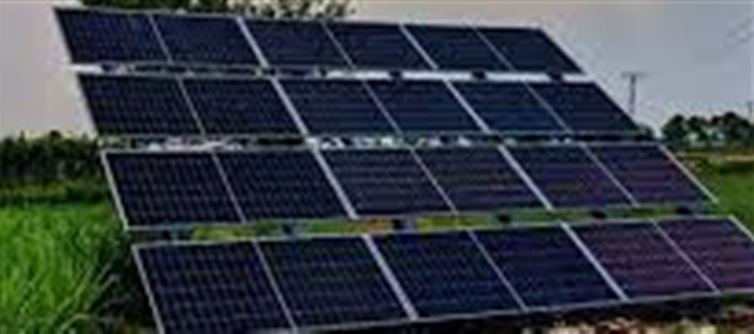

The PM surya Ghar Yojana is a flagship initiative by the government of india aimed at promoting renewable energy use in households. The scheme enables citizens to install solar panels on their rooftops, helping reduce electricity bills, increase energy efficiency, and support sustainable energy adoption across the country.
1. Purpose of the Scheme
The scheme is designed to:
- Provide subsidized solar panels to households.
- Encourage self-reliance in energy generation.
- Reduce dependence on conventional electricity, lowering household energy costs.
- Support India’s broader goal of achieving green energy targets.
2. Is There a Salary or Income Limit?
A key question for applicants is whether there’s a salary or income cap to avail benefits:
- Yes, there is an income criterion under PM surya Ghar Yojana.
- The scheme is primarily targeted at low- and middle-income households, so eligibility depends on your annual household income rather than your individual salary.
- Generally, households with an income up to ₹2.5 lakh per year are eligible for the full subsidy. Households with higher income may still install solar panels but might receive a reduced subsidy or have to pay a larger share of the installation cost themselves.
- Exact income thresholds and subsidy percentages may vary depending on the state and implementing agency.
3. Other Eligibility Criteria
- Must be a resident of India.
- The household should have a suitable rooftop or space for solar panel installation.
- The electricity connection should be registered in the applicant’s name to claim benefits.
- Preference is often given to households in rural or semi-urban areas, but urban households can also apply.
4. application Process
Check eligibility: Verify your household income and roof suitability.
Apply online or through local energy offices: Many states provide an online portal or registration through local authorities.
Submit documents: Income certificate, identity proof, electricity bill, and property documents.
Government verification: Officials may inspect your rooftop and verify documents.
Installation: Approved households can get subsidized solar panels installed by certified agencies.
Payment: The government covers a portion of the cost depending on income; the rest is paid by the household.
5. Benefits of Installing Solar Panels
- Reduced electricity bills: Generate your own electricity and cut dependence on grid power.
- Environmental impact: Lower carbon footprint and support India’s clean energy targets.
- Long-term savings: Solar panels can last 20–25 years, providing sustained cost benefits.
- Energy security: Reduce vulnerability to power outages or rising electricity tariffs.
6. Important Rules to Remember
- Installation must be done through authorized agencies approved under the PM surya Ghar Yojana.
- Misreporting income or providing false documents may lead to disqualification.
- Regular maintenance of solar panels is the responsibility of the household, though many certified agencies provide service packages.
Conclusion:
The PM surya Ghar Yojana makes it easier and more affordable for households to adopt solar energy. While there is an income limit for maximum subsidy, all interested households can benefit from the scheme by contributing partially if their income is higher. By following the eligibility rules and applying through authorized channels, households can significantly reduce electricity costs and contribute to a greener India.
Disclaimer:
The views and opinions expressed in this article are those of the author and do not necessarily reflect the official policy or position of any agency, organization, employer, or company. All information provided is for general informational purposes only. While every effort has been made to ensure accuracy, we make no representations or warranties of any kind, express or implied, about the completeness, reliability, or suitability of the information contained herein. Readers are advised to verify facts and seek professional advice where necessary. Any reliance placed on such information is strictly at the reader’s own risk..jpg)
 click and follow Indiaherald WhatsApp channel