


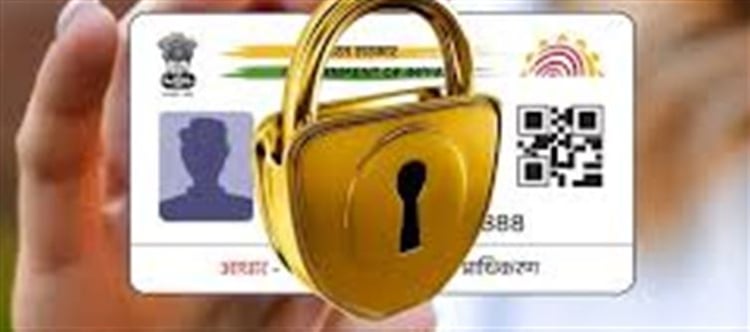

With the rise of digital banking, e-governance services, and online financial transactions, sensitive personal information like Aadhaar and PAN numbers has become a prime target for cybercriminals. Fraudsters often misuse this data for identity theft, financial scams, or unauthorized loans, making it crucial for citizens to safeguard their information.
🛑 Common Cyber Fraud Scenarios
Cybercriminals use several tactics to exploit Aadhaar and PAN data:
1. Phishing and Fake Calls
o Scammers pose as bank officials or government agents, asking for Aadhaar/PAN details.
o They may claim urgent action is needed to prevent account suspension.
2. Unauthorized Loans and Credit
o Fraudsters can use stolen PAN and Aadhaar to take loans, credit cards, or open bank accounts in your name.
o Victims often discover the fraud months later, leading to long legal and financial hassles.
3. SIM Card Fraud
o Criminals can obtain SIM cards linked to your Aadhaar using fake verification, enabling bank OTP interception.
o This can compromise wallet PLATFORM' target='_blank' title='digital-Latest Updates, Photos, Videos are a click away, CLICK NOW'>digital wallets and net banking.
4. Data Leaks and Breaches
o Large-scale leaks from unsecure platforms can expose Aadhaar/PAN data.
o Fraudsters can use this information for phishing emails, spam, or blackmail attempts.
🧠 How to Protect Your Aadhaar and PAN
1️⃣ Do Not Share Personal Information
· Never share your Aadhaar or PAN numbers on unsolicited calls, emails, or SMS.
· Only provide these details on official portals or government-recognized services.
2️⃣ Use Aadhaar Lock/Unlock Services
· The UIDAI portal allows you to lock or unlock Aadhaar for authentication, preventing misuse in online verification.
3️⃣ Verify PAN Details Regularly
· Check your PAN-linked financial transactions through the Income Tax e-filing portal to spot unauthorized activity.
4️⃣ Enable mobile and Email Alerts
· Activate transaction alerts on your bank accounts and credit cards.
· Use registered mobile/email for OTP verification to track suspicious activity.
5️⃣ Strong Passwords and 2FA
· Always use strong passwords for government or financial accounts.
· Enable two-factor authentication (2FA) wherever possible to add a layer of security.
6️⃣ Report Suspicious Activity Immediately
· For Aadhaar misuse, contact UIDAI helpline: 1947.
· For PAN-related fraud, report to Income Tax authorities or police cyber cells.
📌 Red Flags to watch Out For
· Calls claiming urgent verification of Aadhaar/PAN for banks or government schemes.
· Emails requesting clicking on links or downloading attachments to update documents.
· SMS offering loans, credit cards, or insurance requiring Aadhaar or PAN.
· Unexpected notifications of transactions or loans you didn’t authorize.
Act immediately if you notice any of these signs.
⚡ Key Takeaways
· Treat Aadhaar and PAN as highly sensitive personal information.
· Only use official portals or verified agencies to share details.
· Monitor financial transactions regularly and set up alerts.
· Report fraud immediately to reduce financial loss and legal complications.
🛡 Conclusion
In an era of increasing cyber threats, protecting your Aadhaar and PAN is critical to prevent identity theft and financial fraud. By staying vigilant, using official tools like Aadhaar lock/unlock, monitoring transactions, and reporting suspicious activities promptly, individuals can significantly reduce the risk of cybercrime.
Disclaimer:
The views and opinions expressed in this article are those of the author and do not necessarily reflect the official policy or position of any agency, organization, employer, or company. All information provided is for general informational purposes only. While every effort has been made to ensure accuracy, we make no representations or warranties of any kind, express or implied, about the completeness, reliability, or suitability of the information contained herein. Readers are advised to verify facts and seek professional advice where necessary. Any reliance placed on such information is strictly at the reader’s own risk.
 click and follow Indiaherald WhatsApp channel