



Introduction
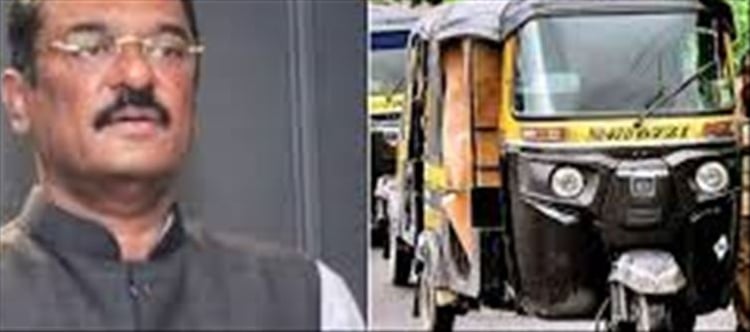
The maharashtra government has launched an initiative to teach Marathi to auto-rickshaw and taxi drivers, reinforcing its broader push to strengthen the use of the state language in public-facing services. The move comes alongside a policy direction that makes basic Marathi communication skills important for transport licensing and passenger interaction.
What the Initiative Is About
Under the new plan, the state will provide free Marathi language training to drivers who are not fluent in the language. The focus is on enabling smooth communication between drivers and passengers across Maharashtra.
Key features of the initiative include:
- Free Marathi language classes for auto and taxi drivers
- Training focused on basic conversation and passenger interaction
- Collaboration with Marathi literary and cultural institutions
- Both online and offline learning options
According to officials, the goal is not just enforcement but language inclusion and support for non-Marathi-speaking drivers.
Who Is Implementing the Training?
The government has partnered with Marathi cultural organizations:
- Mumbai Marathi Sahitya Sangh – offering structured and online Marathi learning modules
- Konkan Marathi Sahitya Parishad – conducting in-person classes through its regional branches
These institutions will help design and deliver practical language lessons tailored for drivers.
Why the government Is Doing This
The initiative is part of a wider policy push to improve communication in the transport sector.
1. Better Passenger Experience
Drivers often interact with local passengers, and basic Marathi is expected to reduce communication gaps.
2. Standardization in Licensing
The state is increasingly linking language proficiency with transport permits and compliance checks.
3. Promotion of Marathi Language
Officials say the move helps preserve and promote Marathi in everyday public life.
Background: Linked Policy Push
This training initiative is closely tied to a broader enforcement plan that includes:
- Verification of drivers’ Marathi skills
- Requirement of basic reading, writing, and speaking ability
- Potential licensing consequences for non-compliance in some cases
Reports suggest enforcement drives and awareness campaigns are being rolled out across regional transport offices in the state.
Public Response and Debate
The decision has sparked mixed reactions:
- Supporters see it as necessary for local communication and cultural preservation
- Critics argue it may be challenging for migrant drivers who need time and structured support to learn the language
To address concerns, the government has emphasized training and assistance rather than immediate punitive action.
Conclusion
Maharashtra’s decision to teach Marathi to auto and taxi drivers reflects a dual approach: strengthening the state language while improving service quality in public transport. By combining policy enforcement with free training programs, the government aims to balance cultural priorities with practical implementation.
Disclaimer:
The views and opinions expressed in this article are those of the author and do not necessarily reflect the official policy or position of any agency, organization, employer, or company. All information provided is for general informational purposes only. While every effort has been made to ensure accuracy, we make no representations or warranties of any kind, express or implied, about the completeness, reliability, or suitability of the information contained herein. Readers are advised to verify facts and seek professional advice where necessary. Any reliance placed on such information is strictly at the reader’s own risk.
 click and follow Indiaherald WhatsApp channel