


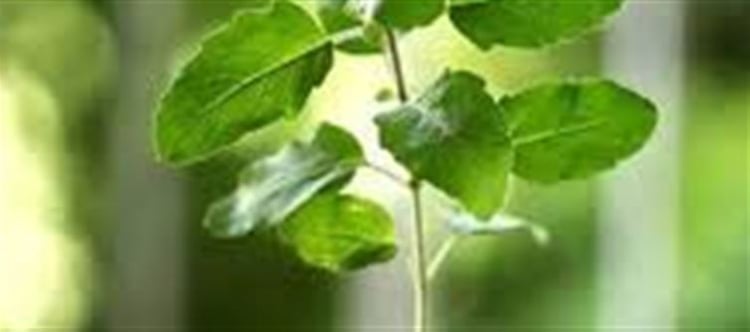

Tulsi, also known as Holy Basil, has been revered in indian culture for centuries for its medicinal, spiritual, and environmental benefits. Cultivating tulsi at home is more than a gardening hobby—it’s a simple way to improve health, purify the environment, and bring positive energy into your living space. This aromatic plant is easy to grow and offers remarkable advantages for the mind, body, and home.
Why Tulsi is Considered Special
Tulsi is considered sacred in many cultures, particularly in India, where it is often planted in courtyards and near entrances of homes. The plant is rich in bioactive compounds like eugenol, ursolic acid, and flavonoids, which contribute to its medicinal properties. Its leaves are used in teas, herbal remedies, and daily rituals.
Health Benefits of Growing Tulsi at Home
1. Boosts Immunity
· Tulsi leaves contain antioxidants, vitamins, and minerals that enhance the body’s defense mechanisms.
· Regular consumption of tulsi tea or leaves can help prevent common colds and infections.
2. Supports Respiratory Health
· Tulsi acts as a natural expectorant, soothing coughs, congestion, and respiratory inflammation.
· The plant’s anti-inflammatory properties can provide relief from allergies and asthma symptoms.
3. Reduces Stress and Promotes Mental Clarity
· Tulsi is an adaptogen, helping the body cope with physical and mental stress.
· Growing tulsi indoors or in your garden allows you to inhale its aromatic compounds, which have a calming effect on the mind.
4. Regulates Blood sugar Levels
· Certain compounds in tulsi help regulate blood glucose, making it beneficial for those with prediabetes or type 2 diabetes.
5. Supports heart Health
· Tulsi may help reduce cholesterol and blood pressure, contributing to overall cardiovascular wellness.
6. Acts as a Natural Detoxifier
· Consuming tulsi or simply keeping it at home may aid in eliminating toxins and improving liver function.
Environmental and Spiritual Benefits
1. Purifies the Air
· Tulsi releases oxygen and natural essential oils that help clean indoor air and reduce pollutants.
2. Repels Insects Naturally
· The aromatic compounds in tulsi can deter mosquitoes and other insects, making it a natural home remedy.
3. Promotes Positive Energy
· Many cultures believe that tulsi attracts positive energy, reduces negativity, and enhances spiritual well-being.
4. Easy to Grow Indoors or Outdoors
· Tulsi requires minimal care—just sunlight, water, and occasional pruning.
· Its compact size makes it suitable for windowsills, balconies, or kitchen gardens.
Tips for Growing Tulsi at Home
1. Choose the Right Variety: There are several varieties such as Rama Tulsi (green leaves), krishna Tulsi (purple leaves), and Vana Tulsi (wild type). Choose according to preference and climate.
2. Sunlight: Place the plant in a sunny spot where it gets at least 4–6 hours of direct sunlight.
3. Soil: Use well-draining soil with organic compost for best growth.
4. Watering: Water regularly but avoid waterlogging. The soil should remain slightly moist.
5. Harvesting Leaves: Pluck mature leaves regularly to encourage new growth. Avoid removing more than one-third of the plant at a time.
6. Propagation: Tulsi can be grown from seeds or stem cuttings, making it easy to multiply plants at home.
Incorporating Tulsi into Daily Life
· Brew tulsi tea to boost immunity and calm the mind.
· Chew fresh leaves to relieve mild colds or sore throat.
· Add leaves to smoothies, soups, or herbal remedies for a nutritional boost.
· Use tulsi in your home rituals for spiritual and mental wellness.
Conclusion
Growing tulsi at home is a simple, sustainable way to enhance your health, home environment, and spiritual well-being. This humble plant offers immunity-boosting, stress-relieving, and air-purifying benefits while requiring minimal effort to care for. Whether you sip its leaves as tea, inhale its refreshing aroma, or simply enjoy its presence in your garden, tulsi is truly a gift from nature that nurtures body, mind, and soul.
Disclaimer:
The views and opinions expressed in this article are those of the author and do not necessarily reflect the official policy or position of any agency, organization, employer, or company. All information provided is for general informational purposes only. While every effort has been made to ensure accuracy, we make no representations or warranties of any kind, express or implied, about the completeness, reliability, or suitability of the information contained herein. Readers are advised to verify facts and seek professional advice where necessary. Any reliance placed on such information is strictly at the reader’s own risk.
 click and follow Indiaherald WhatsApp channel