
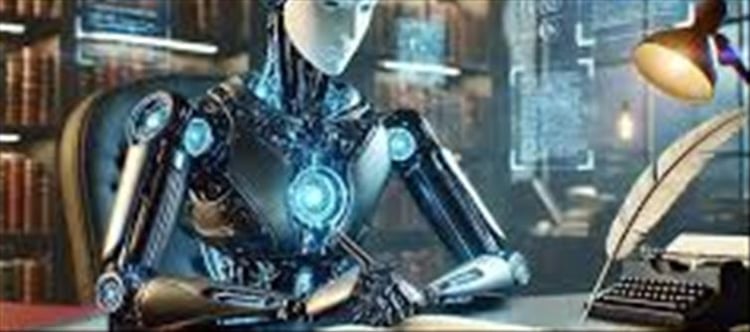


The rise of AI-driven reading and writing tools has sparked a heated debate: is artificial intelligence enriching literature—or slowly eroding its originality? A new wave of platforms now allows readers to rewrite, remix, or continue classic novels, raising questions about authorship, creativity, and the future of storytelling.
1. The New Trend: Readers as “Co-Authors”
AI-powered literary tools are no longer limited to summarizing or explaining books. New platforms now let users:
Rewrite chapters in different styles
Change endings of famous novels
Continue unfinished stories
Generate alternate plotlines or character arcs
Some systems even allow users to upload public-domain works and instantly reshape them into personalized versions. Tools like these are part of a growing ecosystem of AI writing platforms that can generate or rewrite long-form fiction in seconds .
2. What These Tools Claim to Do
Developers argue these systems are not replacing literature but expanding it. Modern AI reading and writing platforms now offer features such as:
Style-preserving rewrites that mimic original authors
“Story memory” that tracks characters and plots
Interactive reading where users can ask questions or alter narratives
Some tools are even designed as full “AI writing studios” that help users rewrite and refine fiction while maintaining consistency across entire novels .
3. Why Critics Are Concerned
Writers, critics, and educators raise several concerns:
Loss of Authorial Voice
AI rewriting can flatten style, removing the unique rhythm and imperfections that define great literature.
Blurring of Originality
If readers can rewrite Pride and Prejudice or 1984, the line between original work and user-generated remix becomes unclear.
Content Flooding
There is already a rise in AI-assisted books and rewrites being published at scale, especially in wallet PLATFORM' target='_blank' title='digital-Latest Updates, Photos, Videos are a click away, CLICK NOW'>digital marketplaces, raising fears of low-quality “mass literature” overwhelming authentic voices.
4. Does This Mean AI Is “Destroying” Literature?
Not exactly—but it is definitely reshaping it.
Instead of replacing literature, AI is:
Turning readers into participants rather than passive consumers
Challenging traditional ideas of authorship
Creating endless variations of existing stories
However, critics argue that literature is not just about plots—it is about intent, voice, and human experience, which AI may imitate but not truly originate.
5. A New Kind of Literary Culture
What is emerging may be less about destruction and more about transformation:
Classic novels become “living texts”
Readers engage like editors, remixers, or co-authors
Stories evolve endlessly rather than remaining fixed
This could lead to a split literary culture:
Traditional literature (fixed, authored, canonical)
Interactive AI literature (fluid, customizable, participatory)
Conclusion
AI is not destroying literature outright, but it is challenging what literature means. With tools that allow readers to rewrite classics at will, storytelling is shifting from a fixed artistic product to an interactive experience. Whether this enhances creativity or dilutes literary value will depend on how readers, writers, and publishers choose to use it.
Disclaimer:
The views and opinions expressed in this article are those of the author and do not necessarily reflect the official policy or position of any agency, organization, employer, or company. All information provided is for general informational purposes only. While every effort has been made to ensure accuracy, we make no representations or warranties of any kind, express or implied, about the completeness, reliability, or suitability of the information contained herein. Readers are advised to verify facts and seek professional advice where necessary. Any reliance placed on such information is strictly at the reader’s own risk.
 click and follow Indiaherald WhatsApp channel