


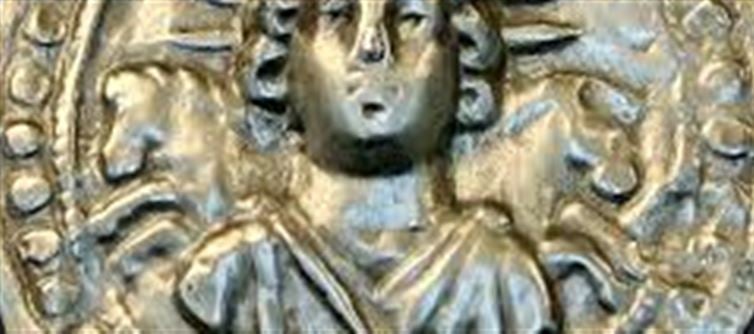

In many cultures, the Sun God has been celebrated as a powerful deity who embodies the light, energy, and vitality that the sun provides to the earth. However, when it comes to the specific date of December 25th, the Sun God associated with this date is not tied to Hinduism directly but to ancient pagan traditions and mythologies. december 25th is notably the birth date of Sol Invictus, the Unconquered Sun, in Roman culture. This day, the winter solstice, was considered the rebirth of the sun in many ancient cultures, and its association with December 25th influenced Christian traditions as well.
Here’s an exploration of the Sun God celebrated on december 25th, both in ancient mythologies and its possible connections to modern practices:
1. Sol Invictus: The Unconquered Sun
In Roman culture, Sol Invictus was the Sun God whose birthday was celebrated on December 25th. This celebration became an important festival in the Roman Empire, especially after the Emperor Aurelian officially instituted the Cult of Sol Invictus in 274 CE. The day marked the rebirth of the sun after the winter solstice, when the days start to lengthen, symbolizing the triumph of light over darkness.
Sol Invictus literally means the "Unconquered Sun" and was a symbol of vitality, hope, and resilience.
The festival of Sol Invictus was celebrated with much fanfare, including feasting, gifts, and rituals to honor the power of the sun. It was one of the most significant festivals in the late Roman Empire, marking a time of renewed strength for the sun and, symbolically, for the empire itself.
Interestingly, the celebration of Sol Invictus on December 25th became one of the key reasons why Christianity eventually chose December 25th as the date for the birth of Jesus Christ. Early Christians adopted this date, in part, to supplant pagan celebrations with a new meaning — the birth of the Light of the World, in the form of Jesus Christ.
2. Mithras: The Persian sun God
Another sun god born on December 25th in ancient mythology is Mithras, a deity worshipped in the ancient Persian religion (specifically Mithraism) and later adopted by the Romans.
Mithras is often depicted as a youthful god associated with light, truth, and justice. He was believed to have been born from a rock (not from a woman, unlike many other gods) and to have emerged fully grown, symbolizing the birth of the sun at the winter solstice.
Mithraism, which was a mystery religion practiced primarily by Roman soldiers, celebrated the birth of Mithras on December 25th, the same day as Sol Invictus. Mithras was considered the god who fought against darkness and chaos, much like the rebirth of the sun after the longest night of the year.
Mithraism was a significant religious force in the Roman Empire before the rise of christianity, and its influence can still be seen in the celebration of Christmas. Many of the themes and symbols associated with Mithras — such as the feasts, gift-giving, and the rejuvenation of light — have echoes in modern christmas traditions.
3. Hinduism: surya, the sun God
In Hinduism, the Sun God, Surya, is one of the most revered deities and is associated with the cycle of life, health, and cosmic order. While Surya is not traditionally associated with December 25th, the idea of the rebirth of the sun is a central concept in Hindu culture, especially around the winter solstice.
The Makar Sankranti festival, which typically falls in January, marks the transition of the sun into the Capricorn zodiac sign (Makar Rashi). While makar sankranti is not on December 25th, the period around the solstice is considered a significant time for Surya worship in hinduism, as it is believed that the sun’s influence increases after the solstice.
Hindus honor Surya by offering prayers at sunrise, performing Surya Namaskar (sun salutations), and observing fasts. These practices are believed to bring blessings of health, vitality, and prosperity.
Though Surya is not directly associated with December 25th, the symbolism of the rebirth of the sun is an important theme in Hindu cosmology, and rituals around the solstice often focus on invoking the light and energy of the sun.
4. The Winter Solstice and sun Worship
In many ancient traditions, the winter solstice, which occurs around December 21st or 22nd, marks the moment when the sun seems to pause in its path, and then gradually begins to rise higher in the sky, signifying the return of warmth, light, and life. This event is often symbolized by the rebirth of the sun or the return of light after a period of darkness.
In ancient Egypt, the Sun god Ra was believed to undergo a similar rebirth at the winter solstice. The Festival of Ra celebrated the sun's return to full strength after the darkest days of the year. The Egyptians also believed that the Pharaoh was a living incarnation of Ra, and this festival was a time to honor the cosmic cycle and renew the connection between heaven and earth.
In Norse mythology, Yule (the precursor to modern Christmas) was a celebration of the rebirth of the sun, marked by feasting, fire, and gift-giving, and symbolizing hope and renewal.
5. The Influence on Christmas
Many of the ancient traditions surrounding the Sun God on December 25th played a role in shaping the modern Christmas celebration. While Jesus Christ is considered the central figure of christmas, the symbolism of light overcoming darkness is universal, and christmas coincides with the time when the sun begins its ascent toward the longest days of the year.
Christianity, particularly in its early days, adopted December 25th for the celebration of Jesus’ birth, partly to align with the existing pagan festivals celebrating the rebirth of the sun. Christians began to associate Jesus as the Light of the World, drawing parallels between the rising sun and the birth of Christ as a source of spiritual light.
Christmas Traditions: Many christmas traditions, such as feasts, gift-giving, decorating with lights, and even the Christmas tree, have roots in ancient sun worship and winter solstice celebrations. The idea of the light overcoming darkness is central to both the winter solstice and christmas, linking the two events in symbolic ways.
6. Conclusion: The sun god Born on december 25th
While Surya (the Hindu sun God) is not directly associated with December 25th, the broader symbolism of the rebirth of the sun around the winter solstice is a key theme in various ancient cultures and mythologies. The most well-known sun Gods associated with December 25th are:
1. Sol Invictus — the Unconquered Sun of ancient Rome, celebrated on December 25th as the day of the sun's rebirth.
2. Mithras — the Persian sun god, also born on December 25th according to Mithraic tradition.
3. Surya — the Hindu sun god, whose worship and significance are closely tied to the cycles of the sun, especially around the winter solstice.
These ancient traditions contributed to the symbolic and cultural significance of December 25th as a day of light, renewal, and hope, themes that are deeply embedded in the modern Christmas celebration.
Disclaimer:
The views and opinions expressed in this article are those of the author and do not necessarily reflect the official policy or position of any agency, organization, employer, or company. All information provided is for general informational purposes only. While every effort has been made to ensure accuracy, we make no representations or warranties of any kind, express or implied, about the completeness, reliability, or suitability of the information contained herein. Readers are advised to verify facts and seek professional advice where necessary. Any reliance placed on such information is strictly at the reader’s own risk.
 click and follow Indiaherald WhatsApp channel