


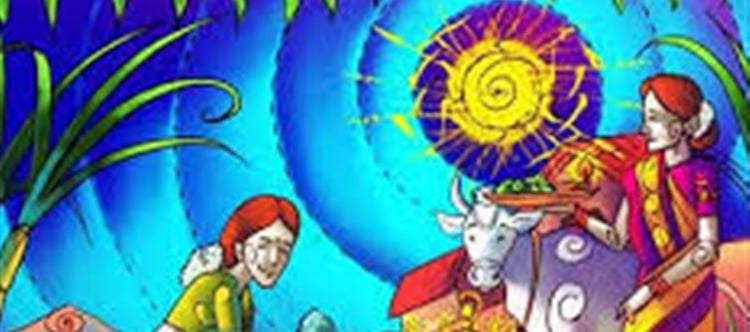

Pongal is one of the oldest and most cherished festivals in Tamil Nadu, celebrated to mark the harvest season and express gratitude to nature, animals, and the sun God for a bountiful crop. The festival is closely tied to agriculture and tamil culture, and several traditional stories explain its origin and significance.
1. Worship of the sun God (Surya)
The central theme of pongal revolves around thanking surya, the sun God, who provides energy for crops and sustains life. Ancient Tamils were primarily farmers who depended on sunlight, rain, and fertile soil for survival. pongal symbolizes gratitude for the year’s harvest and the hope for prosperity in the coming year.
2. bhogi – Removing Negativity
The festival begins with Bhogi Pongal, which is about cleaning homes, discarding old items, and lighting bonfires. According to tradition, the bonfire represents burning away ignorance and negativity. This day encourages families to let go of the past and start anew, making room for abundance and happiness.
3. Mattu pongal – Honoring Cattle
Another important aspect of the pongal story is gratitude towards cattle, which are essential for farming. Oxen, cows, and bulls help plow fields and provide milk. In ancient tamil culture, these animals were considered sacred, and Mattu pongal celebrates their contribution. Folk tales often describe farmers decorating their cattle with garlands, painting their horns, and feeding them special foods, reinforcing the bond between humans and animals.
4. Mythological Connections
There are also mythological tales associated with Pongal:
- One story tells of Lord Shiva instructing people to thank the sun God for crops and prosperity.
- Another legend says King Muchukunda in tamil folklore was advised to offer the first rice of the harvest to surya to ensure abundance and protection from famine.
5. Cultural and Spiritual Significance
Pongal is more than just a harvest festival — it is about family bonding, community unity, and respect for nature. The ritual of cooking Pongal (sweet rice dish) in a clay pot until it boils over symbolizes prosperity, happiness, and overflow of blessings. The four-day celebration — Bhogi, surya, Mattu, and Kaanum Pongal — ensures that humans, animals, and nature are all honored, reflecting the holistic worldview of tamil culture.
Summary
The story behind pongal combines agricultural gratitude, mythological teachings, and cultural values. It reminds people to be thankful for the sun, the earth, and animals, and to celebrate life with family and community. The festival has endured for centuries, making it a timeless symbol of prosperity, harmony, and tamil heritage.
Disclaimer:
The views and opinions expressed in this article are those of the author and do not necessarily reflect the official policy or position of any agency, organization, employer, or company. All information provided is for general informational purposes only. While every effort has been made to ensure accuracy, we make no representations or warranties of any kind, express or implied, about the completeness, reliability, or suitability of the information contained herein. Readers are advised to verify facts and seek professional advice where necessary. Any reliance placed on such information is strictly at the reader’s own risk.
 click and follow Indiaherald WhatsApp channel