



Uttarakhand, India: A new controversy is brewing in uttarakhand as the state’s four-lane highway project is facing opposition from environmentalists, who argue that it could result in significant damage to the local ecosystem and wildlife. While the project is aimed at improving connectivity and stimulating economic development, it has sparked concerns about its potential impact on the environment.
The Uttarakhand four-lane highway project, which seeks to widen and upgrade roads in critical areas, promises better infrastructure, faster travel times, and increased tourism potential. However, critics warn that the project’s construction could lead to the destruction of forests, the fragmentation of wildlife habitats, and displacement of local species.
The Project: A Boost for Development
The four-lane project in uttarakhand is a part of the national highway development plan, which aims to provide better connectivity to remote areas, facilitate tourism, and improve trade across the region. By expanding existing roads to four lanes, the project is expected to reduce travel time and improve transportation of goods and services, which will lead to economic growth.
Proponents of the project argue that better roads are necessary for uplifting local communities, boosting tourism, and enhancing access to remote regions, especially in a state like uttarakhand, where the hilly terrain often restricts the development of basic infrastructure.
Additionally, the highway project is believed to have positive implications for local businesses, education, and healthcare access, which are critical for improving the quality of life in the region.
Environmental Concerns: The Price of Development?
While the benefits of improved infrastructure are undeniable, environmental activists are sounding the alarm over the negative impact of this project on Uttarakhand’s fragile ecosystem. The region, known for its rich biodiversity, is home to a variety of endangered species and vital forests that help maintain the ecological balance.
Key environmental concerns include:
1. Deforestation
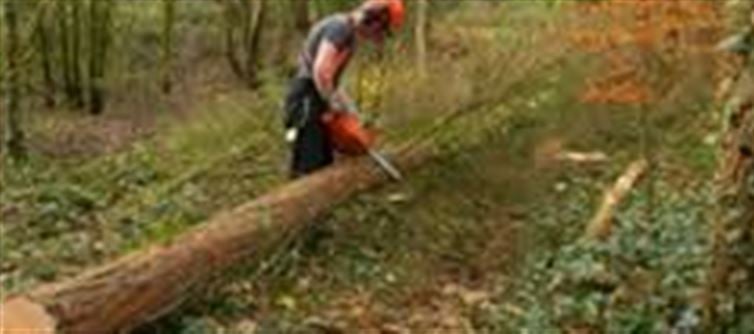
The construction of a four-lane highway requires the clearing of large swaths of forest cover. Uttarakhand’s forests, which are vital for carbon sequestration, water conservation, and the protection of biodiversity, could face destruction due to deforestation. This would not only contribute to climate change but also lead to a loss of habitat for wildlife.
2. Wildlife Displacement
Uttarakhand is home to several protected wildlife areas, including Corbett National Park and Rajaji tiger Reserve. The expansion of roads through these habitats poses the risk of fragmenting wildlife corridors, making it harder for animals to migrate and find food. This can result in increased human-wildlife conflict and further endanger already threatened species like tigers, elephants, and leopards.
3. Soil Erosion and Landslides
The state’s hilly terrain makes it prone to soil erosion and landslides, especially during the monsoon season. Widening roads through steep slopes can disturb the natural land contours and exacerbate these risks, leading to more frequent and severe landslides, which could further damage both the environment and human settlements.
4. air and Water Pollution
The increase in road traffic could lead to higher levels of air pollution and water contamination from vehicular emissions and construction activities. The pollution could negatively impact local communities’ health and the overall quality of life in the region, which is heavily dependent on its natural resources.
The Balancing Act: Can Both Development and Environment Co-Exist?
The ongoing debate between development and environmental protection in uttarakhand is not new. As the state faces increasing pressure to modernize its infrastructure to accommodate growing population and tourism, the question remains: How can economic progress be achieved without sacrificing the environment?
Possible Solutions and Compromise
To address both concerns, experts suggest the following measures:
- Green Highway Construction: Using eco-friendly construction methods, like elevated highways or underground tunnels, can minimize the environmental impact. These methods would help avoid extensive deforestation and reduce fragmentation of wildlife habitats.
- Wildlife Protection Measures: Building wildlife corridors and installing animal overpasses can allow animals to safely cross the highway without coming into contact with traffic. Additionally, roadkill monitoring and stricter regulations on traffic speed can mitigate the risks to wildlife.
- Reforestation Projects: Implementing reforestation initiatives to compensate for the trees cut down during construction could help restore the natural ecosystem over time.
- Sustainable Tourism Practices: If the goal of the project is to boost tourism, the government and stakeholders should focus on eco-tourism practices that support both local communities and the environment.
Conclusion: Striking a Balance for the Future
While the need for improved infrastructure in uttarakhand is clear, the environment cannot be overlooked in the pursuit of economic development. The four-lane project presents a critical crossroads, where the state must find a way to reconcile its growth ambitions with the preservation of its ecologically sensitive areas. As development and environmental protection continue to clash, finding a sustainable solution will be key in determining the future of Uttarakhand’s infrastructure.
Ultimately, it is possible to achieve sustainable development that benefits both people and the planet, but it will require collaboration between the government, environmentalists, and the public to ensure that both sides are heard and balanced.
Disclaimer:
The views and opinions expressed in this article are those of the author and do not necessarily reflect the official policy or position of any agency, organization, employer, or company. All information provided is for general informational purposes only. While every effort has been made to ensure accuracy, we make no representations or warranties of any kind, express or implied, about the completeness, reliability, or suitability of the information contained herein. Readers are advised to verify facts and seek professional advice where necessary. Any reliance placed on such information is strictly at the reader’s own risk.
 click and follow Indiaherald WhatsApp channel