


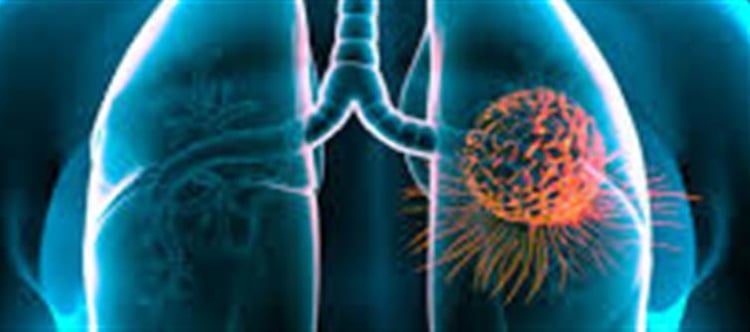

Breast cancer is one of the most common cancers affecting women worldwide. While early detection and treatment have improved survival rates, metastasis—or the spread of cancer to other organs—remains a major challenge. The lungs are among the most frequent sites for breast cancer metastasis. Understanding why and how this occurs is crucial for effective management and treatment.
What is Breast cancer Metastasis?
Metastasis refers to the process by which cancer cells break away from the primary tumor and travel to other parts of the body. In breast cancer, metastasis most commonly affects the bones, liver, lungs, and brain. lung metastasis occurs when cancer cells invade the lung tissue, forming secondary tumors that can impair respiratory function and overall health.
How Breast cancer Cells Spread
Breast cancer cells can spread through several mechanisms:
1. Bloodstream (Hematogenous Spread):
Cancer cells can enter the bloodstream and circulate throughout the body. The lungs, with their extensive network of capillaries, act as a common first filter for these cells, making them susceptible to metastasis.
2. Lymphatic System:
The lymphatic vessels near the breast can carry cancer cells to nearby lymph nodes and eventually into the bloodstream, facilitating lung involvement.
3. Microenvironment Favorability:
The lung tissue provides an environment rich in growth factors and nutrients that support cancer cell survival and proliferation.
Why the Lungs are a Common Site
Several biological and anatomical factors make the lungs a frequent site for breast cancer metastasis:
· High Blood Flow: The lungs receive the entire cardiac output, making them a prime target for circulating cancer cells.
· Capillary Network: The dense capillary system in the lungs can trap cancer cells, allowing them to establish new tumors.
· Chemokine Signals: Breast cancer cells express receptors that are attracted to chemical signals in the lung tissue, enhancing their ability to home in on this organ.
· Immune Evasion: The lungs have immune-modulating properties that can allow cancer cells to evade detection and destruction.
Types of Breast cancer More Likely to Spread to Lungs
Certain subtypes of breast cancer have a higher propensity for lung metastasis:
· Triple-Negative Breast cancer (TNBC): Aggressive and more likely to metastasize early.
· HER2-Positive Breast Cancer: Associated with a higher risk of lung involvement.
· Invasive Ductal Carcinoma: The most common histological type linked with lung metastases.
Symptoms of lung Metastasis
Lung metastasis from breast cancer may not always produce symptoms initially. When symptoms appear, they may include:
· Persistent cough
· Shortness of breath
· Chest pain
· Wheezing or hoarseness
· Fatigue and weight loss
Early detection through imaging studies such as CT scans or PET scans is critical for timely management.
Diagnosis and Monitoring
Detecting lung metastasis often involves:
· Imaging Studies: Chest X-ray, CT scan, or PET scan
· Biopsy: To confirm that lung lesions are secondary breast cancer cells
· Tumor Marker Tests: Blood tests for markers like CA 15-3 may aid in monitoring
Treatment Options
Treatment for breast cancer lung metastasis is typically palliative rather than curative and may include:
1. Systemic Therapy:
· Chemotherapy
· Hormonal therapy for estrogen or progesterone receptor-positive tumors
· Targeted therapy for HER2-positive tumors
2. Radiation Therapy:
Used to relieve symptoms such as pain or breathing difficulties
3. Surgical Intervention:
Rarely, surgery may be considered for isolated lung metastases
4. Immunotherapy and Clinical Trials:
Emerging options aimed at improving survival and quality of life
Prognosis and Outlook
The prognosis depends on several factors:
· Number and size of lung metastases
· cancer subtype and molecular characteristics
· Response to systemic therapy
· Overall patient health
Early detection and personalized treatment strategies can improve survival rates and quality of life.
Conclusion
Breast cancer spreads to the lungs due to a combination of anatomical, molecular, and biological factors. Understanding the mechanisms behind lung metastasis helps guide early detection, monitoring, and tailored treatments. Patients with breast cancer should work closely with oncologists to monitor for signs of metastasis and explore comprehensive treatment options to manage the disease effectively.
Disclaimer:
The views and opinions expressed in this article are those of the author and do not necessarily reflect the official policy or position of any agency, organization, employer, or company. All information provided is for general informational purposes only. While every effort has been made to ensure accuracy, we make no representations or warranties of any kind, express or implied, about the completeness, reliability, or suitability of the information contained herein. Readers are advised to verify facts and seek professional advice where necessary. Any reliance placed on such information is strictly at the reader’s own risk.
 click and follow Indiaherald WhatsApp channel