


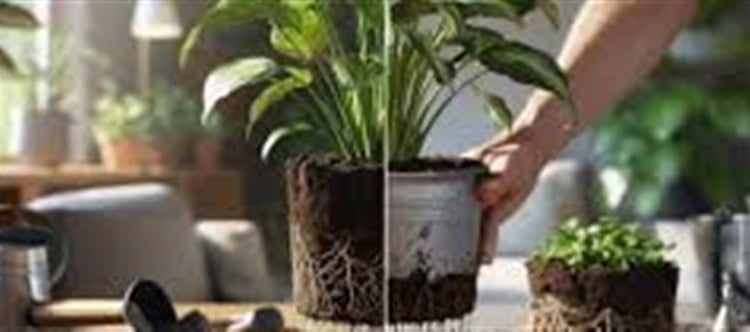

Indoor plants are known to purify air, improve mood, and add beauty to living spaces. Yet, despite our best intentions, many indoor plants struggle to survive. Often, the reasons behind their decline are hidden in everyday habits and small mistakes. Let’s explore these common issues.
1. Overwatering: The Silent Killer
Many plant owners unknowingly overwater their plants. Excess water can suffocate roots, causing root rot—a condition that prevents the plant from absorbing nutrients. Signs include yellowing leaves, wilting despite wet soil, and a foul smell from the pot. Always check soil moisture before watering, and ensure your pots have proper drainage.
2. Underwatering: Neglecting the Basics
Just as overwatering is harmful, underwatering can also weaken plants. Dry, brittle leaves and stunted growth are common indicators. Most indoor plants thrive on a consistent watering schedule tailored to their specific needs. Remember: different plants have different water requirements.
3. Poor Lighting Conditions
Indoor plants need light to perform photosynthesis. Placing shade-loving plants in direct sunlight can scorch leaves, while sun-loving plants in dim corners may become leggy and weak. Observe your plant’s natural habitat and replicate its lighting conditions as closely as possible.
4. Ignoring Humidity Levels
Indoor environments, especially with air conditioning or heating, can be too dry for many plants. Low humidity can lead to browning leaf tips and slow growth. Misting, using a humidifier, or grouping plants together can help maintain adequate moisture in the air.
5. Choosing the Wrong Soil
Plants have unique soil preferences. Using garden soil or heavy potting mixes can restrict drainage, causing root rot or nutrient deficiencies. Opt for the correct type of soil—well-draining mixes for succulents, moisture-retentive soil for tropical plants, etc.
6. Neglecting Fertilization
Indoor plants rely on the nutrients in their potting soil, which depletes over time. Without periodic fertilization, growth slows, leaves yellow, and flowering may stop. Use a balanced, water-soluble fertilizer during the growing season, and follow the recommended dosage.
7. Pests and Diseases
Even indoor plants are vulnerable to pests like spider mites, aphids, and fungus gnats. Fungal or bacterial infections can also harm plants. Regularly inspect plants for signs of infestation—sticky leaves, webs, or black spots—and treat promptly with appropriate remedies.
8. Wrong Pot Size
Using a pot that is too small can restrict root growth, while one that is too large can cause waterlogging. Ensure the pot size matches the plant’s growth, and repot when roots outgrow the current container.
9. Frequent Moving or Stress
Indoor plants are sensitive to environmental changes. Moving them frequently, exposing them to drafts, or sudden temperature changes can stress the plant, leading to leaf drop or slow growth. Try to keep plants in stable locations with minimal disturbances.
10. Overlooking Seasonal Needs
Plants have different seasonal requirements. During dormant periods, they need less water and fertilizer. Ignoring these seasonal changes can confuse their growth cycles and harm them. Learn the specific seasonal care requirements for each of your indoor plants.
Conclusion
Caring for indoor plants is more than watering and occasional sunlight. Hidden mistakes like overwatering, poor lighting, or neglecting humidity can gradually weaken your plants. By understanding their specific needs and observing them closely, you can keep your indoor garden thriving and lush.
Disclaimer:
The views and opinions expressed in this article are those of the author and do not necessarily reflect the official policy or position of any agency, organization, employer, or company. All information provided is for general informational purposes only. While every effort has been made to ensure accuracy, we make no representations or warranties of any kind, express or implied, about the completeness, reliability, or suitability of the information contained herein. Readers are advised to verify facts and seek professional advice where necessary. Any reliance placed on such information is strictly at the reader’s own risk.
 click and follow Indiaherald WhatsApp channel